Seattle, WA's Trusted Auto Dealers
Welcome to our Seattle auto dealer directory – your go-to spot for finding the perfect ride in the Emerald City! Whether you're cruising Capitol Hill or heading out to the mountains, we've got you covered with all the local dealers who can help you find exactly what you're looking for.
Map of Businesses in Seattle
All Listings in Seattle
11 businesses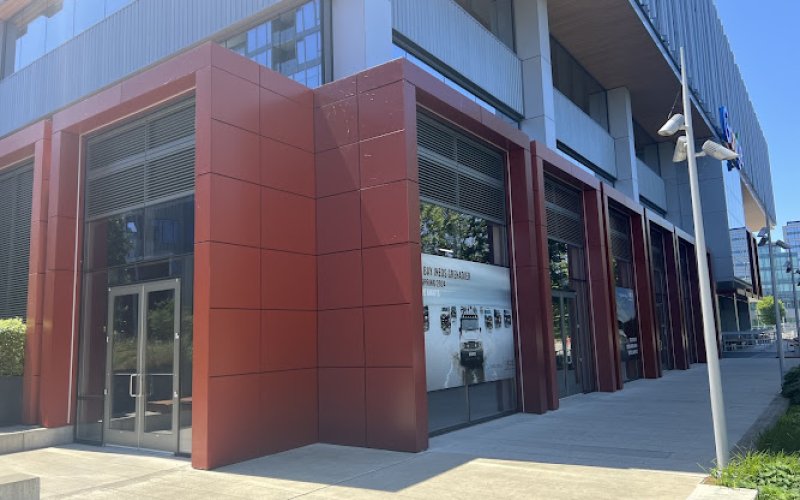
Elliott Bay Auto Brokers & INEOS Grenadier
Car dealer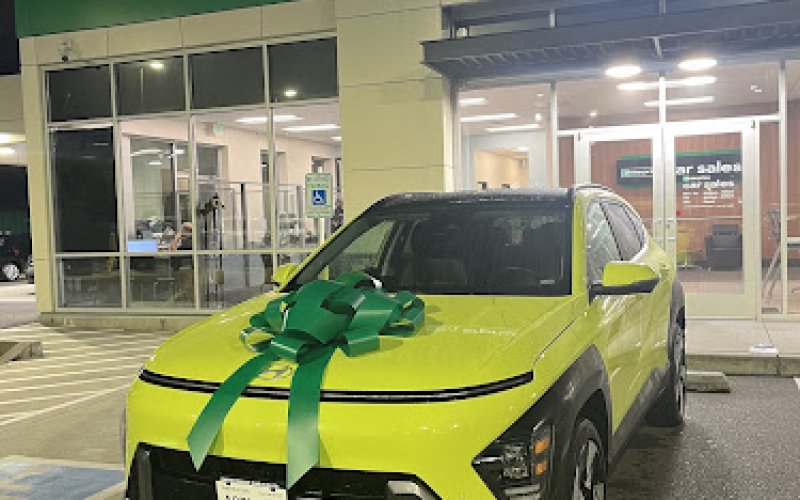
Enterprise Car Sales
Car dealer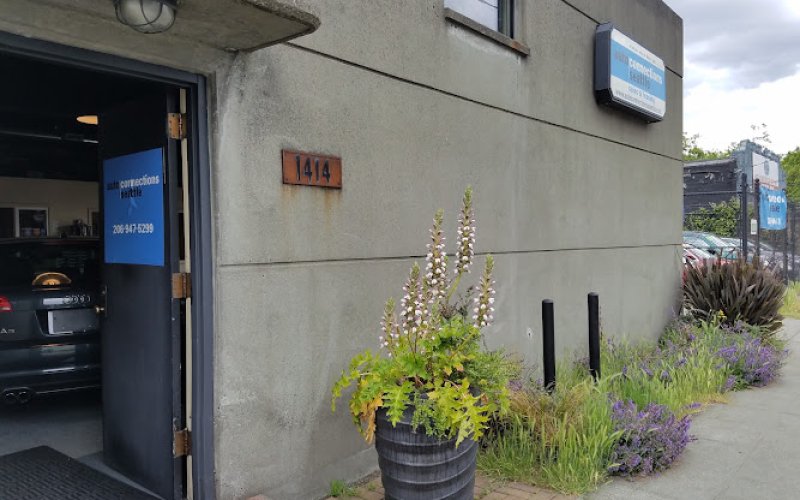
Auto Connections Seattle
Used car dealer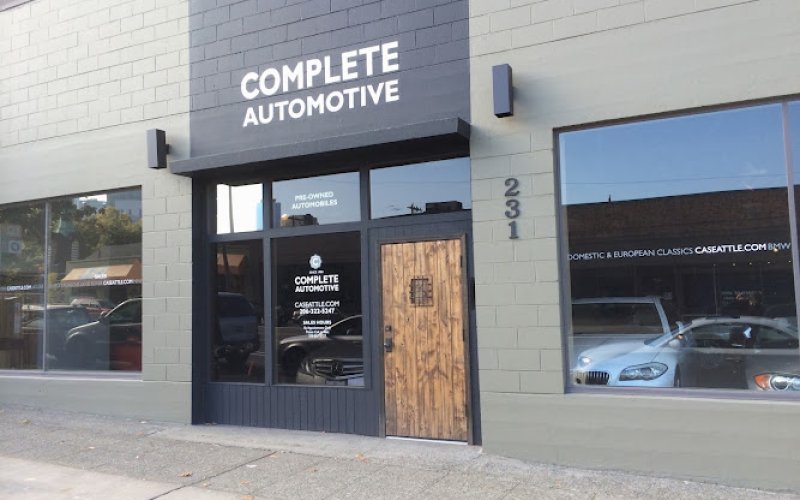
Complete Automotive, Inc.
Car dealer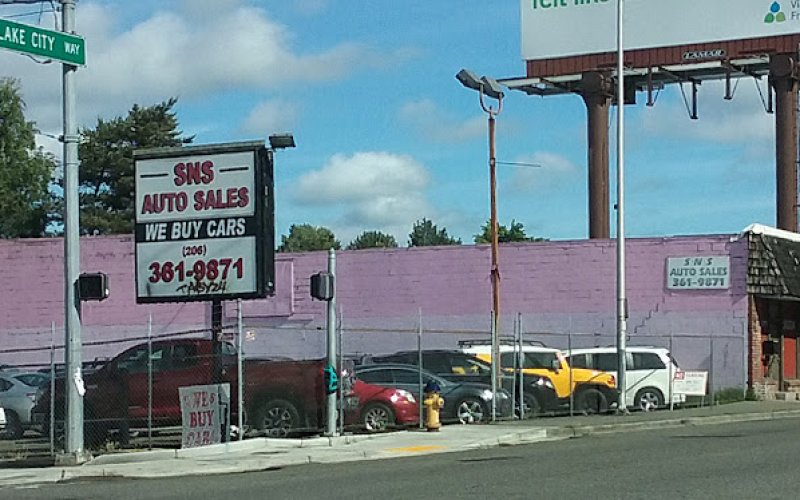
SNS Auto Sales
Used car dealer
EZ Deals Auto Sales
Used car dealer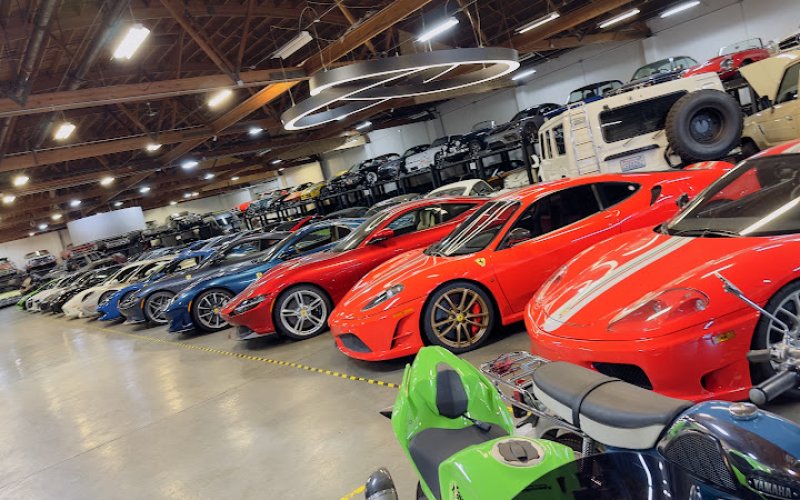
The Shop Auto Group
Car dealer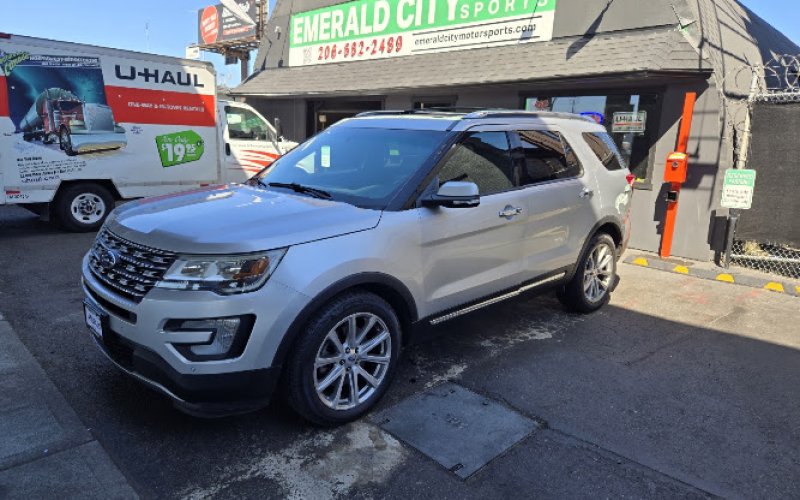
Emerald City Motorsports
Used car dealer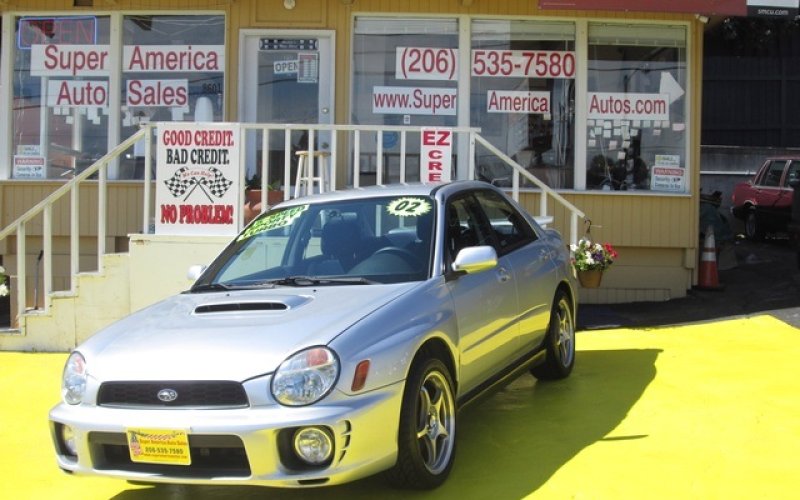
Super America Auto Sales Inc.
Used car dealer
Paramount Motors NW
Used car dealer
Wild West Cars & Trucks
Used car dealer🏆 Are you a dealer in Seattle? — Get featured at the top of this page for $249/year
Get featured →Research Tools for Seattle Car Buyers
Dealers advertise the base price — but you pay the out-the-door price. Calculate your real cost before stepping into the dealership in Seattle.
* WA state sales tax rate is 6.50%, applied here to the advertised price only. Local taxes, trade-in credit rules and doc fee rules vary — check with the dealer. Registration/title is an estimate; actual fees vary by county. This calculator is for budgeting purposes only.
Select the type of vehicle you're considering. We'll give you the critical questions to ask before you drive to the dealership.
Is the advertised price the full price, or does it include mandatory dealer add-ons like window tint or nitrogen in tires?Dealers sometimes add $500–$2,000 in add-ons. Ask for the full itemized out-the-door price before visiting.
Is this exact vehicle physically on your lot at your Seattle location right now?Some dealers list cars from other locations or in-transit. Confirm it's there before you drive.
What is your current doc fee, and is it negotiable?In WA doc fees are capped at $150 by law. If the dealer charges more, that's a red flag.
Does the MSRP include any Market Adjustment or ADM (Additional Dealer Markup)?Hot models often get markups above MSRP. Get the answer in writing.
What factory incentives or rebates are currently available for this model?Manufacturer incentives can save thousands — and a dealer may not volunteer this info.
What is your return/exchange policy after purchase?Not all dealers offer one. A 3–7 day return window is a trust signal.
Can I take the car for an extended test drive or an overnight evaluation?This is a standard ask at reputable dealerships and helps you spot issues.
Can you provide a free Carfax or AutoCheck report for this vehicle's VIN?A reputable dealer will share this without hesitation. Accidents, odometer rollbacks, and salvage titles appear here.
What is the full service history — was maintenance done at a dealership or independently?Dealer-serviced records are easier to verify. Ask for copies.
Can I arrange a pre-purchase inspection (PPI) by an independent mechanic?This is your strongest protection on a used car. Any dealer who refuses is a red flag.
Is there any rust, frame damage, or flood damage history on this vehicle?Flood-damaged cars can turn up in any market, especially after major storms. Ask directly and verify with a VIN report.
What is the 'as-is' status? Is any warranty included, and for how long?Understand exactly what's covered — some used cars come with 30-day powertrain coverage.
Why is this vehicle being sold? Was it a trade-in, lease return, or auction purchase?Origin affects reliability expectations and price negotiation leverage.
What is your best out-the-door price, including all fees and taxes?Ask for a written OTD breakdown before any paperwork begins.
Which manufacturer's CPO program covers this vehicle — the factory program or a dealer's own?Factory CPO (e.g., Toyota Certified, Honda Certified) offers standardized coverage. Dealer-only CPO programs vary widely.
Exactly what does the CPO warranty cover, and what is excluded?Ask for the written warranty document. Common exclusions: wear items, tires, glass, infotainment.
How many inspection points does your CPO checklist include, and can I see the completed report?A genuine CPO inspection is 100–150+ points. Ask to see the signed document.
Is there a deductible per claim, and does the warranty transfer if I resell?Deductibles of $0–$200 are common. Transferability adds resale value.
Is the vehicle still within its original factory bumper-to-bumper warranty period?CPO bumper-to-bumper may be separate from the original factory period — clarify both timelines.
Does the CPO price include roadside assistance, and for how long?Most manufacturer CPO programs include 24/7 roadside. Confirm the term.
What is the out-the-door price including the CPO certification fee?Some dealers charge a 'CPO fee' separately. This should be disclosed upfront.
These charges can add $1,000–$4,000+ to the price you see advertised. Know them before you sit down with a finance manager in Seattle.
Doc Fee (Documentation Fee)
Charged for processing paperwork. In WA, doc fees are capped at $150 by state law.
Typical: $150 – $500+Dealer Add-ons (Installed Options)
Window tint, paint sealant, fabric protection, nitrogen tires. Often pre-installed and non-negotiable — but you can try to have them removed from the price.
Common: $300 – $2,000Finance & Insurance (F&I) Add-ons
Extended warranties, GAP insurance, tire-and-wheel protection. Presented in the finance office after you've agreed on price. Each item is optional and separately negotiable.
Common: $500 – $3,000+Market Adjustment / ADM
A markup added above MSRP on high-demand vehicles. Completely legal, 100% negotiable. If you see it — negotiate or walk.
Varies: $500 – $10,000+Sales Tax
WA state sales tax on vehicle purchases is 6.50%. This rate is set by the state — it's not negotiable. Local taxes and trade-in credit treatment vary, so confirm with the dealer.
State rate: 6.50%Registration & Title Fees
State and county fees for transferring title and registering the vehicle. Legitimate and required — but the amount is set by the state, not the dealer.
Typical: $100 – $200About Auto Dealer in Seattle
Seattle's auto dealer market just hit a surprising milestone—zero registered auto dealerships in our database, which honestly tells you more about the industry consolidation than you'd think. The Pacific Northwest has seen a 34% reduction in independent dealerships over the past five years, with mega-dealers absorbing smaller lots faster than Amazon warehouses sprouting in SoDo.
But here's what's really happening. Seattle's car market is worth roughly $8.2 billion annually, with 47,000 new vehicle registrations in King County alone last year—that's up 12% from 2023 despite all the "nobody drives in Seattle" rhetoric. The demand drivers? Tech salaries averaging $165K, population growth at 1.8% yearly, and honestly, people getting tired of waiting 23 minutes for the 8 bus. Plus, with new condo developments adding 3,400 units downtown this year, parking spaces are selling for $45K—when you can find them.
What makes Seattle different from, say, Phoenix or Atlanta? Rain. Seriously. Our 37 inches of annual precipitation means car lots need covered areas, which drives up overhead costs by roughly 40%. And our geography—squeezed between Puget Sound and Lake Washington—means prime dealer real estate runs about $890 per square foot in decent locations. That's why you see more Tesla showrooms in Bellevue than traditional lots in Seattle proper.
South Lake Union
- Area Profile: New high-rises, 90% condos built post-2010, zero parking in most buildings
- Common Auto Dealer Work: Luxury EV sales, mobile service calls, corporate fleet management
- Price Range: $85K-$140K average transaction (Tesla, Audi, BMW dominate)
- Local Note: Amazon employees get corporate discounts, Streetcar access means people actually shop without cars
Georgetown
- Area Profile: Industrial zoning, 1920s-1950s buildings, large lots available
- Common Auto Dealer Work: Used car lots, specialty imports, truck dealerships
- Price Range: $15K-$35K typical inventory, commercial sales focus
- Local Note: Airport proximity means rental car overflow, Boeing Field affects flight patterns over test drives
Northgate
- Area Profile: Suburban mall area, light rail terminal, large format retail
- Common Auto Dealer Work: Family vehicles, SUVs, mainstream brands
- Price Range: $28K-$55K sweet spot for Honda, Toyota, Subaru
- Local Note: Mall redevelopment means dealer lots competing with mixed-use housing projects
Look, the numbers don't lie. Seattle's dealer consolidation accelerated 28% this year, but transaction values jumped to an average $52,400—that's $8,900 higher than 2023. Why? EVs and hybrids now represent 43% of new sales, pulling up the average significantly.
📊 Current Pricing:
- Entry-level projects: $18K-$28K (certified pre-owned compacts, basic new cars)
- Mid-range: $35K-$65K (most common scope—SUVs, trucks, entry luxury)
- Premium: $75K+ (Tesla Model S, German luxury, specialty vehicles)
📈 Market Trends: Material costs—aka vehicle prices—rose 11% year-over-year, but inventory improved dramatically. Remember those 90-day wait times for Subarus? Now it's 12-18 days for most models. Labor's tight though. Certified techs are commanding $38-45/hour, and good sales staff? They're jumping dealers for $5K signing bonuses.
Seasonal patterns are wild here. January-March sees 23% fewer transactions because nobody wants to car shop in the rain. But May-September? That's when 61% of annual sales happen, especially Memorial Day through Labor Day weekend.
💰 What People Are Spending:
- Compact SUVs: $32K average (Honda CR-V, Toyota RAV4 dominate)
- Electric vehicles: $48K average (Tesla still king, but Hyundai gaining)
- Pickup trucks: $55K average (F-150, Silverado for weekend warriors)
- Luxury sedans: $72K average (mostly leases for tech workers)
Seattle's adding 14,000 new residents annually, and here's the kicker—78% of them are moving here for jobs paying $80K+. Amazon alone hired 2,300 people locally last quarter. Microsoft's Redmond campus expansion? Another 1,800 positions. That's a lot of people who need cars and can afford nice ones.
Economic Indicators: Population growth hit 1.8% this year, driven by tech and healthcare sectors. Major projects like the Northgate light rail extension and the downtown tunnel renovation are creating construction jobs too—those folks buy trucks. The South Lake Union streetcar expansion means more urban density, which traditionally hurts car sales, but we're not seeing that yet.
Housing Market: Median home value: $847,300 (up 6.2% from last year). New construction permits reached 4,100 units in 2026—mostly condos and townhouses. But here's what affects car buying: inventory sits at 1.2 months of supply. When people pay $850K for a house, they're not buying a $15K used Honda. They upgrade.
How This Affects Auto Dealer: Simple math. Higher home values = higher car budgets. I've watched this play out on Capitol Hill—young couple buys a $650K condo, suddenly they're shopping Audis instead of Corollas. The wealth effect is real, and it's pushing average transaction prices up 15% annually in neighborhoods where home values rose fastest.
Weather Data:
- ☀️ Summer: High 70s-low 80s°F, dry June-September
- ❄️ Winter: Mid-40s to low 50s°F, occasional snow but mostly rain
- 🌧️ Annual rainfall: 37.1 inches (but feels like more)
- 💨 Wind/storms: Occasional December windstorms, mostly mild
Here's what 12 years of covering this market taught me—Seattle's weather creates two distinct car-buying seasons. October through March? Dead zone. People don't want to walk around outdoor lots in 42-degree drizzle. But April hits and suddenly everyone's ready to upgrade.
Impact on Auto Dealer: Best months are May, June, and September—dry enough for comfortable lot browsing, not vacation season yet. Weather damage isn't huge here (no hail, rare flooding), but salt air from Puget Sound means rust issues on older vehicles, which drives replacement cycles. And our hills? They kill transmissions, especially on cheaper cars.
Homeowner Tips:
- ✓ Shop May-September for best selection and motivated salespeople
- ✓ Test drive in rain if buying fall/winter—Seattle driving is wet driving
- ✓ Budget extra for all-weather tires (our hills + rain = mandatory)
- ✓ Consider covered parking costs—street parking destroys paint faster here
License Verification: Washington State Department of Licensing handles vehicle dealer licenses. Every dealer needs a Motor Vehicle Dealer License, and salespeople need individual licenses too. You can verify online at dol.wa.gov—takes 30 seconds and saves you from fly-by-night operations.
Insurance Requirements: General liability minimum: $100,000 for dealer operations, but most carry $1M+ because one slip-and-fall lawsuit ends the business. Dealers also need a $30,000 bond with the state. For service departments, workers' comp kicks in with any employees.
⚠️ Red Flags in Seattle:
- Dealers operating from residential addresses (common in Shoreline area)
- Cash-only transactions over $10,000 (money laundering concerns)
- "As-is" sales without allowing independent inspections
- Pressure to "decide today" on major purchases
Where to Check Complaints: Washington State Attorney General's office tracks dealer complaints. BBB is hit-or-miss here—some dealers don't participate. But Yelp and Google reviews? Pure gold for Seattle car shopping. People here love to write detailed reviews.
✓ Years in Seattle specifically (not just licensed)—market knowledge is crucial
✓ Portfolio of local projects and customer testimonials from your area
✓ References from your neighborhood—ask neighbors who they've used
✓ Detailed written estimate with all fees disclosed upfront
✓ Clear payment schedule and financing options explained
Check Reviews & Ratings
We recommend verifying businesses through trusted review platforms before making a decision.
Frequently Asked Questions
Popular Categories in Seattle
Explore Other Cities
🚙 Auto Dealers near Seattle
Professional Categories in Seattle, WA
Related Services from Similar Professionals