Minneapolis, MN's Trusted Auto Dealers
Welcome to the Minneapolis auto dealers directory! Whether you're hunting for a reliable daily driver or something a little more fun, we've got a bunch of local dealers here to help you find your next ride.
Map of Businesses in Minneapolis
All Listings in Minneapolis
11 businesses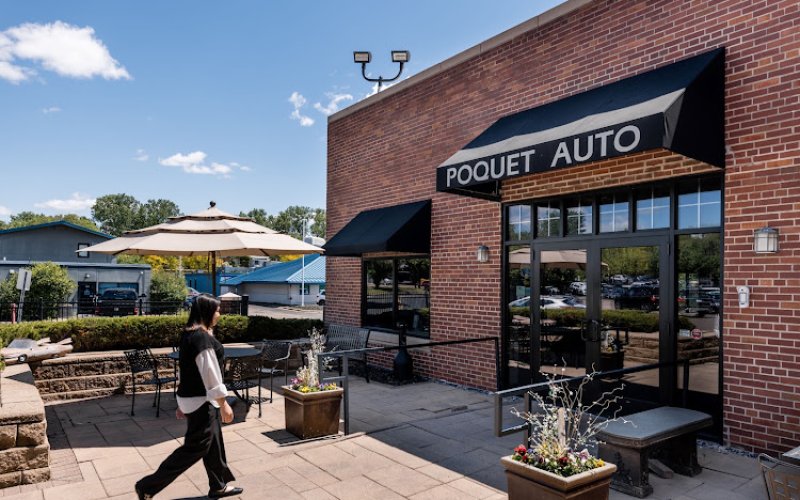
Poquet Auto
Used car dealer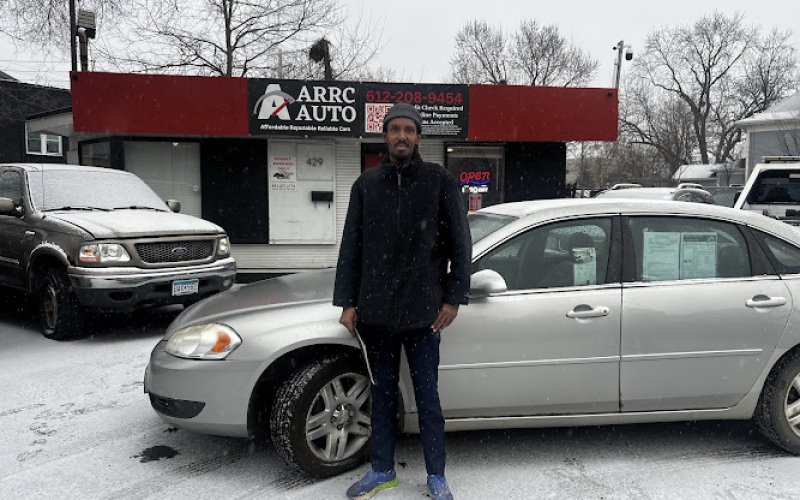
ARRC Auto
Used car dealer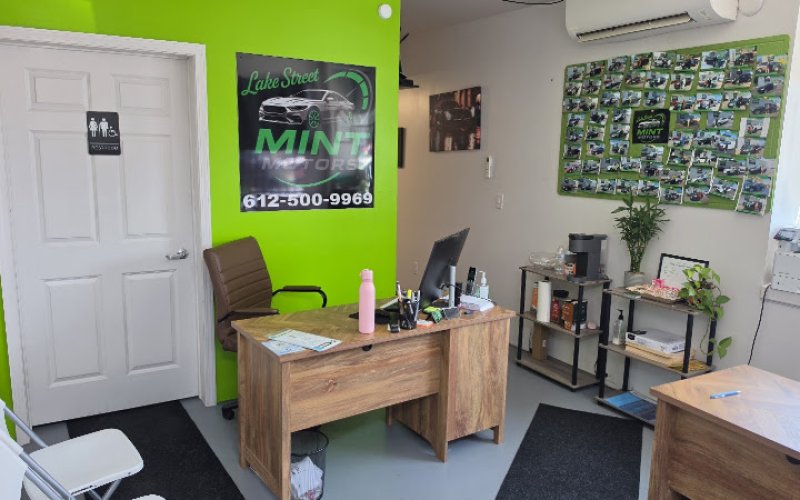
Lake Street Mint Motors
Used car dealer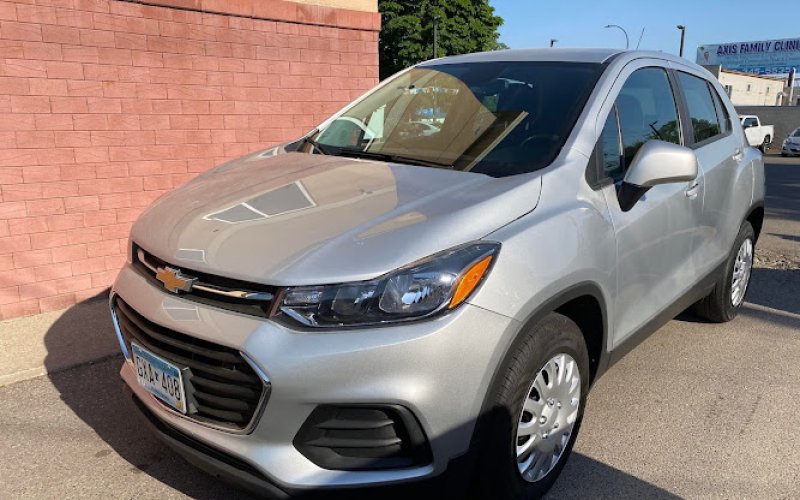
Nice Cars Auto INC
Used car dealer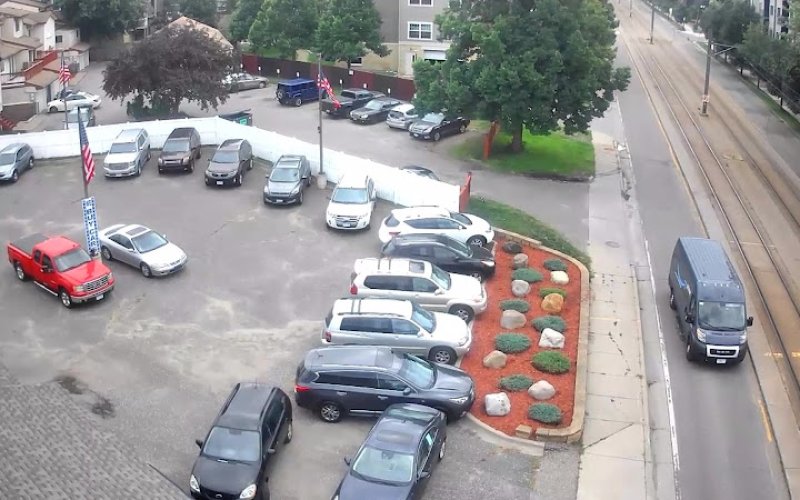
Metro Motor Sales, Inc.
Used car dealer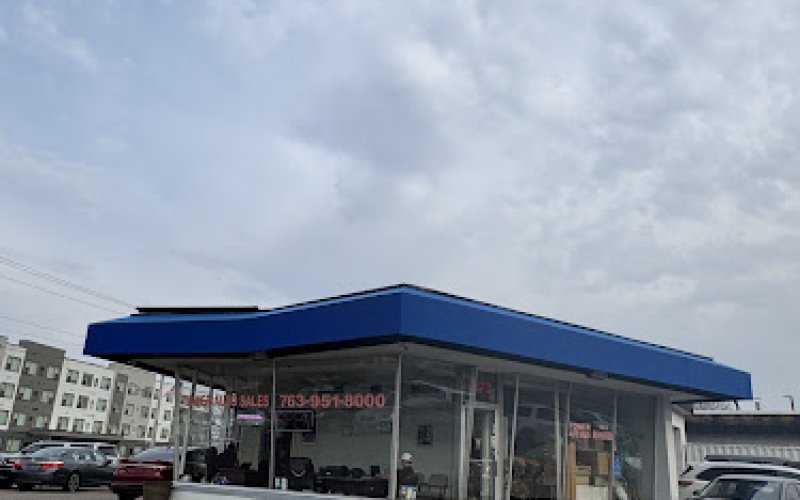
Tower Auto Mart
Used car dealer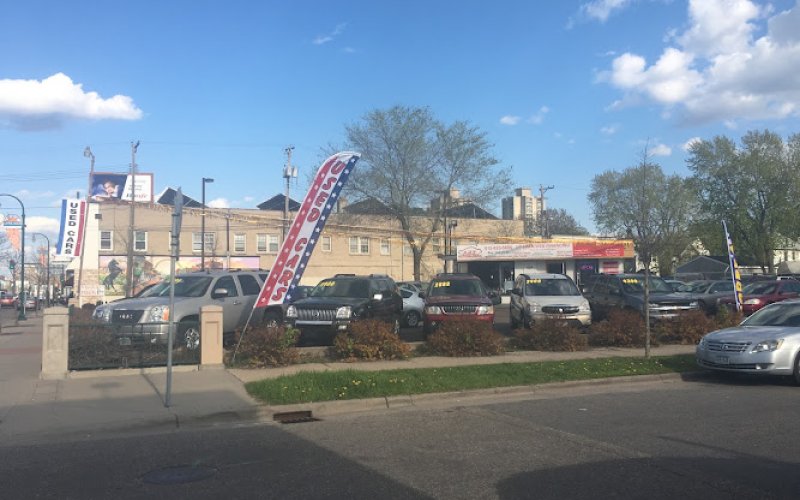
A2Z Auto Sales Inc
Used car dealer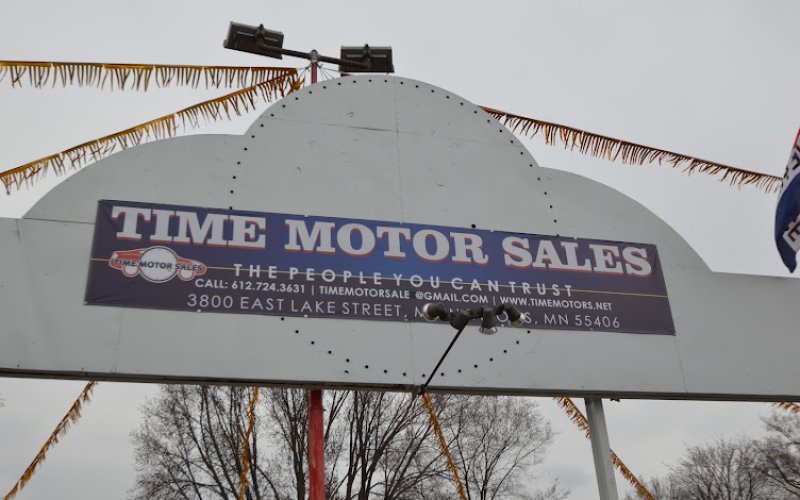
Time Motor Sales Inc.
Used car dealer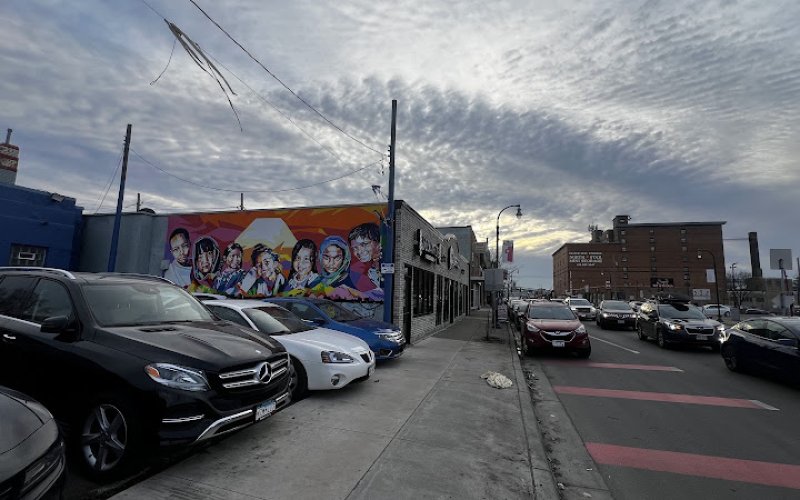
LAKE ST AUTOS
Used car dealer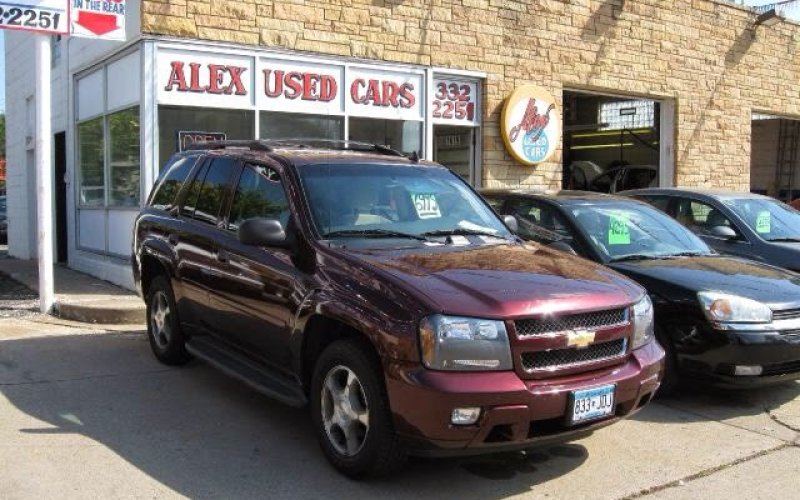
Alex Used Car Lot Co
Used car dealer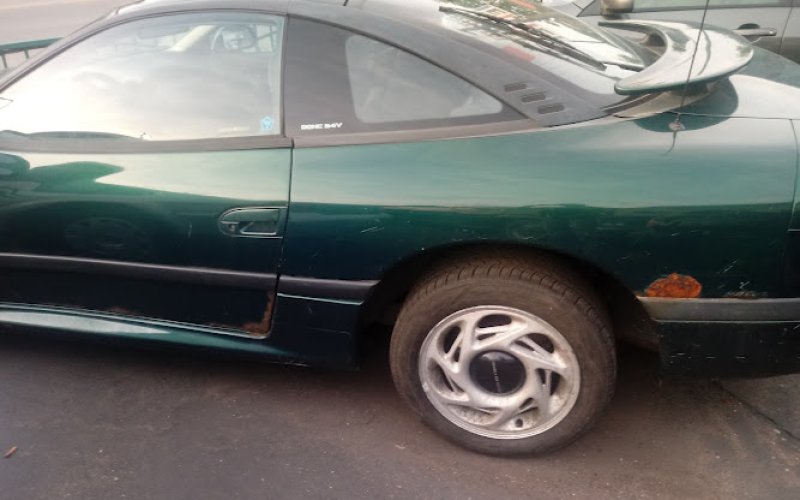
Automart - Used Cars
Used car dealer🏆 Are you a dealer in Minneapolis? — Get featured at the top of this page for $249/year
Get featured →Research Tools for Minneapolis Car Buyers
Dealers advertise the base price — but you pay the out-the-door price. Calculate your real cost before stepping into the dealership in Minneapolis.
* MN state sales tax rate is 6.50%, applied here to the advertised price only. Local taxes, trade-in credit rules and doc fee rules vary — check with the dealer. Registration/title is an estimate; actual fees vary by county. This calculator is for budgeting purposes only.
Select the type of vehicle you're considering. We'll give you the critical questions to ask before you drive to the dealership.
Is the advertised price the full price, or does it include mandatory dealer add-ons like window tint or nitrogen in tires?Dealers sometimes add $500–$2,000 in add-ons. Ask for the full itemized out-the-door price before visiting.
Is this exact vehicle physically on your lot at your Minneapolis location right now?Some dealers list cars from other locations or in-transit. Confirm it's there before you drive.
What is your current doc fee, and is it negotiable?In MN doc fees are capped at $75 by law. If the dealer charges more, that's a red flag.
Does the MSRP include any Market Adjustment or ADM (Additional Dealer Markup)?Hot models often get markups above MSRP. Get the answer in writing.
What factory incentives or rebates are currently available for this model?Manufacturer incentives can save thousands — and a dealer may not volunteer this info.
What is your return/exchange policy after purchase?Not all dealers offer one. A 3–7 day return window is a trust signal.
Can I take the car for an extended test drive or an overnight evaluation?This is a standard ask at reputable dealerships and helps you spot issues.
Can you provide a free Carfax or AutoCheck report for this vehicle's VIN?A reputable dealer will share this without hesitation. Accidents, odometer rollbacks, and salvage titles appear here.
What is the full service history — was maintenance done at a dealership or independently?Dealer-serviced records are easier to verify. Ask for copies.
Can I arrange a pre-purchase inspection (PPI) by an independent mechanic?This is your strongest protection on a used car. Any dealer who refuses is a red flag.
Is there any rust, frame damage, or flood damage history on this vehicle?Flood-damaged cars can turn up in any market, especially after major storms. Ask directly and verify with a VIN report.
What is the 'as-is' status? Is any warranty included, and for how long?Understand exactly what's covered — some used cars come with 30-day powertrain coverage.
Why is this vehicle being sold? Was it a trade-in, lease return, or auction purchase?Origin affects reliability expectations and price negotiation leverage.
What is your best out-the-door price, including all fees and taxes?Ask for a written OTD breakdown before any paperwork begins.
Which manufacturer's CPO program covers this vehicle — the factory program or a dealer's own?Factory CPO (e.g., Toyota Certified, Honda Certified) offers standardized coverage. Dealer-only CPO programs vary widely.
Exactly what does the CPO warranty cover, and what is excluded?Ask for the written warranty document. Common exclusions: wear items, tires, glass, infotainment.
How many inspection points does your CPO checklist include, and can I see the completed report?A genuine CPO inspection is 100–150+ points. Ask to see the signed document.
Is there a deductible per claim, and does the warranty transfer if I resell?Deductibles of $0–$200 are common. Transferability adds resale value.
Is the vehicle still within its original factory bumper-to-bumper warranty period?CPO bumper-to-bumper may be separate from the original factory period — clarify both timelines.
Does the CPO price include roadside assistance, and for how long?Most manufacturer CPO programs include 24/7 roadside. Confirm the term.
What is the out-the-door price including the CPO certification fee?Some dealers charge a 'CPO fee' separately. This should be disclosed upfront.
These charges can add $1,000–$4,000+ to the price you see advertised. Know them before you sit down with a finance manager in Minneapolis.
Doc Fee (Documentation Fee)
Charged for processing paperwork. In MN, doc fees are capped at $75 by state law.
Typical: $150 – $500+Dealer Add-ons (Installed Options)
Window tint, paint sealant, fabric protection, nitrogen tires. Often pre-installed and non-negotiable — but you can try to have them removed from the price.
Common: $300 – $2,000Finance & Insurance (F&I) Add-ons
Extended warranties, GAP insurance, tire-and-wheel protection. Presented in the finance office after you've agreed on price. Each item is optional and separately negotiable.
Common: $500 – $3,000+Market Adjustment / ADM
A markup added above MSRP on high-demand vehicles. Completely legal, 100% negotiable. If you see it — negotiate or walk.
Varies: $500 – $10,000+Sales Tax
MN state sales tax on vehicle purchases is 6.50%. This rate is set by the state — it's not negotiable. Local taxes and trade-in credit treatment vary, so confirm with the dealer.
State rate: 6.50%Registration & Title Fees
State and county fees for transferring title and registering the vehicle. Legitimate and required — but the amount is set by the state, not the dealer.
Typical: $100 – $200About Auto Dealer in Minneapolis
Few cities ask more of a vehicle than Minneapolis does. Subzero mornings, road salt for months, and snow that arrives before you've swapped your tires shape what's worth buying here.
The directory currently lists 11 Auto Dealers in Minneapolis, and the local market covers the usual mix. Franchised new-car dealers sell current models and certified pre-owned inventory. Independent used lots handle older trade-ins and budget vehicles. Buy-here-pay-here lots serve buyers with damaged credit, usually with tradeoffs in financing terms. Crossovers and SUVs with all-wheel drive are the everyday default, while sedans and compact hatchbacks still sell well to city commuters.
Demand follows the calendar and the weather. Winter pushes buyers toward all-wheel drive, good tires and remote start. Families look at SUVs and minivans for car seats, hockey bags and weekend trips up north. Contractors and tradespeople lean on pickups and vans. Students around the University of Minnesota and younger professionals in the city tend to look at efficient used cars and hybrids, partly because parking is tight in dense areas.
What sets Minneapolis apart is corrosion. Road salt and brine are hard on brake lines, subframes and exhaust parts, so a car's history here matters as much as its mileage. And because Minnesota winters are tough on batteries, tires and cooling systems, a cold-start test drive tells you more here than almost anywhere else.
Downtown Minneapolis
- Where and what it is: The downtown core along the Mississippi River, packed with offices, apartment towers, stadiums and the skyway system that links buildings above street level.
- Driving and vehicles: Many residents drive little and park in paid ramps. Compact cars, hybrids and small crossovers suit tight garages and short trips, and a vehicle that is easy to maneuver counts for more than cargo space.
- Car-shopping angle: Downtown residents often shop online first, compare several dealers, and expect delivery or a quick pickup. Few dealerships sit in the core, so most buyers head out to the larger lots on the edges of the metro.
- Good to know: Ask about the monthly parking cost of your building before choosing a vehicle, and test-drive in stop-and-go traffic to check how the transmission and brakes feel at low speed.
Uptown
- Where and what it is: A walkable district near the Chain of Lakes, full of restaurants, shops and older apartment buildings.
- Driving and vehicles: Street parking is competitive and winter snow emergencies make it harder. Smaller vehicles with good visibility and a tight turning circle win out over large SUVs.
- Car-shopping angle: Many buyers are younger, first-time purchasers or people downsizing to one car. Used and certified pre-owned inventory is a common target, and trade-ins of older compact cars are frequent.
- Good to know: Check a used car's body panels, door edges and wheel wells for scrapes from tight parallel parking, and look underneath for salt corrosion on a car that has been parked outside every winter.
Northeast Minneapolis
- Where and what it is: The area across the river from downtown, known for older neighborhoods, breweries and an arts scene, with strong working-class roots.
- Driving and vehicles: Narrow older streets and mostly driveway or street parking. Pickups, work vans and durable used sedans are common, along with SUVs for families.
- Car-shopping angle: Practical, value-minded shopping is typical. Many buyers prefer late-model used vehicles and compare independent lots against franchised dealers' used inventory.
- Good to know: Rough streets and heavy plowing leave their mark. Listen for suspension noise over bumps and check tire wear for alignment problems before you sign anything.
Longfellow and South Minneapolis
- Where and what it is: A large residential stretch of south Minneapolis near the Mississippi and Minnehaha Creek, with single-family homes, bungalows and a light-rail line nearby.
- Driving and vehicles: Most households have driveways or alley garages. Family crossovers, minivans and hybrids fit well, and all-wheel drive is a major selling point.
- Car-shopping angle: Families and longtime owners often trade in a vehicle after years of ownership. Expect to negotiate the trade separately and to weigh certified pre-owned against new.
- Good to know: Test the car on a mix of side streets and the freeway, and check that the heater, defroster and rear-window defogger all work properly before you commit.
The sticker price is a starting point, not the finish line. The only number that matters is the out-the-door price, which includes everything you actually pay.
💰 What Drives the Price
- New versus used, and the model year. A current model year costs more than the previous year's leftovers.
- Trim level and option packages, such as cold-weather packages, heated seats and all-wheel drive.
- Mileage and overall condition, including tire age and any rust underneath.
- Accident and title history. Branded titles such as salvage, rebuilt, flood or lemon buyback lower value sharply.
- Local demand for the body style. Trucks and all-wheel-drive SUVs hold value well in Minneapolis, especially heading into winter.
- Certified pre-owned status and manufacturer incentives, which can add cost or take it away depending on the program.
🧾 What Is in the Out-the-Door Price
- The vehicle price itself, after any negotiated discount.
- Dealer add-ons and any "market adjustment" markup, which are optional and negotiable.
- The documentation fee, which the dealer charges for paperwork.
- Sales tax and title and registration fees, set by the state.
- The destination charge on new cars, shown on the Monroney window sticker.
Ask for all of it in writing, itemized. A verbal quote can shift once you are in the finance office.
🔧 Common Situations and What Changes the Numbers
- Financing: Your credit tier, the loan term (60, 72 and 84 months are common), and your down payment all matter. Longer terms mean more total interest and a higher risk of owing more than the car is worth. Get a bank or credit union pre-approval first.
- Trade-in: Condition, mileage and demand set the offer. Ask how the credit is applied to the purchase and how it affects the sales tax you owe.
- Leasing: The money factor, the residual value and the mileage allowance drive the monthly cost.
- Buy-here-pay-here: Terms and interest are set by the lot, not by an outside lender, so read the contract closely and compare it with other options.
- Extended warranties and GAP coverage: Both are optional and negotiable, and you do not have to buy them from the dealer.
- Certified pre-owned versus regular used: Certified cars carry a manufacturer-backed inspection and warranty, and that coverage is part of what you pay for.
📈 Local Demand Patterns
- Model-year changeover in late summer and fall pushes dealers to clear older stock.
- Tax-refund season in early spring brings more buyers into showrooms.
- Heavy winter weather and hail season can drive demand for replacement vehicles, all-wheel-drive SUVs and trucks.
How to Get an Accurate Price
- Ask each dealer for the out-the-door price in writing, itemized.
- Compare at least three dealers on the same vehicle or a close match.
- Bring a bank or credit union pre-approval so you can compare against dealer financing.
- Get a trade-in offer separately, and consider quotes from other buyers.
Why Local Dealers Have an Edge
- They know which vehicles suit Minneapolis roads, winters and commutes, from all-wheel-drive crossovers to cold-weather packages.
- They handle title, tags and registration with Minnesota's motor vehicle office on your behalf, which saves you a trip.
- A nearby service department can handle warranty work and recall repairs without a long drive.
- Their reputation is easy to check through neighbors, coworkers and local reviews.
What This Means for You
Say you are comparing two used SUVs. One has spent its life in the Twin Cities and the other came from a dry southern state. A local dealer can tell you how the first one was driven and serviced, and you can inspect the undercarriage for salt damage.
And if a title problem or paperwork error turns up after the sale, a dealer close by is far easier to chase down than one several states away.
Seasonal Patterns in Minneapolis
- ☀️ Spring and summer: Tax refunds and road-trip plans bring more shoppers. Selection is good, but negotiating room can be tighter when lots are busy.
- 🍂 Fall: New model-year vehicles arrive, and dealers want to clear previous-year inventory, which often improves your leverage on those cars.
- ❄️ Winter: Year-end sales pushes can help, and snowy weekends mean slower foot traffic. Dealers may be more flexible when lots are quiet.
- 📅 Month-end, quarter-end and holiday weekends: Sales targets and promotions around Memorial Day, Labor Day and Black Friday can improve negotiating room, though popular models may sell out.
Smart Timing Tips
- ✓ Get financing pre-approved before you visit so you can compare offers on your terms.
- ✓ Shop on a weekday when lots are quieter and you get more of the salesperson's attention.
- ✓ Check recalls by VIN on NHTSA.gov before you sign.
- ✓ Sleep on it. There is no federal cooling-off period for a dealership purchase, so once you sign, the deal is generally final.
Minneapolis sits in a region that sees heavy summer storms, and cars that have been flooded can show up for sale. Look for a musty smell, silt or rust under the seats and carpets, and fogged headlights or taillights. A vehicle history report plus an independent inspection helps catch what a quick walk-around misses.
Credentials to Verify
- A current dealer license from Minnesota's motor vehicle authority or DMV. Franchised new-car dealers and independent used-car dealers are licensed differently, so confirm the license fits the type of dealer.
- A Buyers Guide displayed on every used car, showing whether it is sold "as is" or with a warranty, as the FTC Used Car Rule requires.
- A clear title in the dealer's name, not a third party's.
- Written disclosure of the vehicle's history, including any title brands.
Questions to Ask
- Can I see the title and the vehicle history report before we talk numbers?
- Has this car had any accident or flood damage, and is that in writing?
- What fees will be added beyond the advertised price?
- Who handles warranty and recall work, and where?
⚠️ Red Flags
- Pressure to sign financing on the spot, without time to compare.
- "Spot delivery," where you drive home before financing is final and are called back to sign a worse deal.
- Negotiating only the monthly payment instead of the out-the-door price.
- Add-ons you did not ask for, like paint protection, nitrogen tires or etching, appearing on the paperwork.
- A title that is not in the dealer's name or is delayed after the sale.
Where to Check Complaints
- Minnesota's motor vehicle authority or the state attorney general's consumer protection office, for formal complaints and licensing questions.
- The BBB, for complaint history and how the dealer responded.
- Google and Yelp reviews. Look for patterns, especially repeated title delays, surprise add-on fees or problems after the sale.
New car from a franchised dealer: You get factory incentives, a full factory warranty and a service department tied to the brand.
Late-model used or certified pre-owned: Look for a manufacturer-backed inspection, a clean history report and a franchised dealer's reputation to protect.
Budget used car from an independent lot: Arrange an independent inspection and check the undercarriage for salt rust, since warranties are often limited or absent.
Special cases: For trucks and work vehicles, check towing capacity and bed or frame condition. For hybrids and EVs, ask about battery health and cold-weather range. If your credit is a challenge, compare lenders before you commit to a buy-here-pay-here lot.
→ What is the full out-the-door price, in writing?
→ What is the documentation fee, and is it negotiable?
→ Does this used car have a Buyers Guide and a clean title in your name?
→ May I take it to my own mechanic for an independent inspection?
→ What warranty or return policy applies if something goes wrong?
→ How has this car held up to salted winter roads, and can I see the undercarriage on a lift?
✓ Clear, itemized pricing with no surprise fees.
✓ A willingness to let you test drive for 20-30 minutes, including highway speed and a cold start.
✓ A readable vehicle history report that matches the car in front of you.
✓ Tires under about 6 years old, or a plan to replace them before winter.
✓ Positive local reviews that mention service after the sale.
Refusing an independent inspection.
No Buyers Guide on a used car.
A title that is branded and not disclosed, or not in the dealer's name.
Refusing to put the out-the-door price in writing.
Check Reviews & Ratings
We recommend verifying businesses through trusted review platforms before making a decision.
Frequently Asked Questions
Popular Categories in Minneapolis
Explore Other Cities
🚙 Auto Dealers near Minneapolis
Professional Categories in Minneapolis, MN
Related Services from Similar Professionals