Your Auto Dealers in Vancouver, WA, Sorted
Welcome to your go-to spot for finding the best car dealers in Vancouver, WA! Whether you're hunting for your dream ride or just browsing what's out there, we've got you covered with all the local dealerships in one easy place.
Map of Businesses in Vancouver
All Listings in Vancouver
10 businesses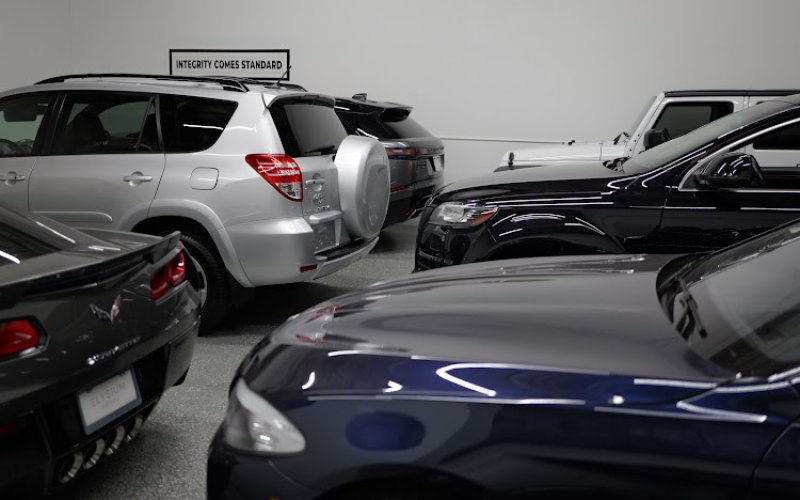
Elysium Motors
Used car dealer
Vancouver Auto Sales
Used car dealer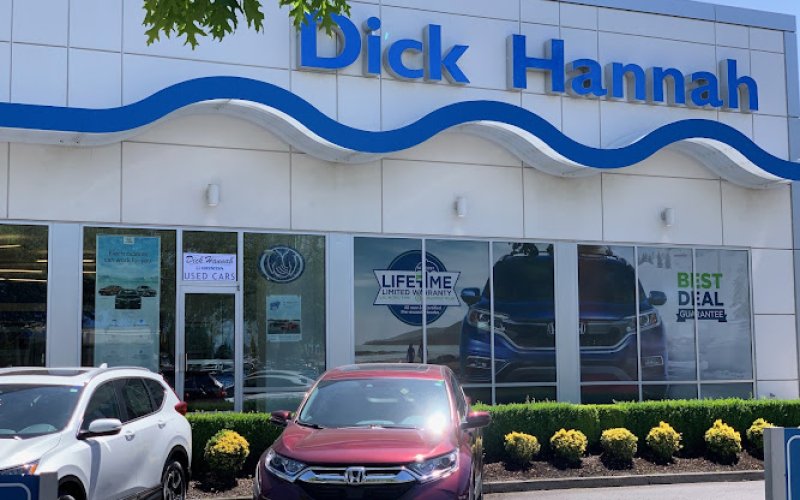
Honda Used Cars
Honda dealer
Top Auto Brokers LLC.
Used car dealer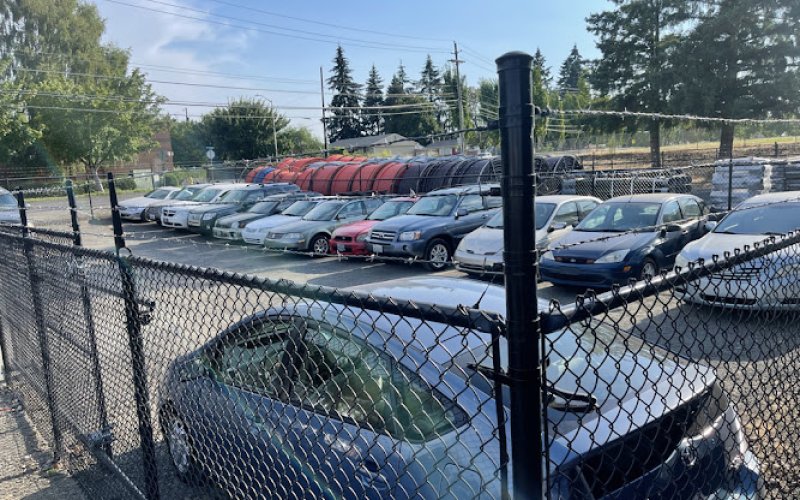
Autos Of Portland LLC
Used car dealer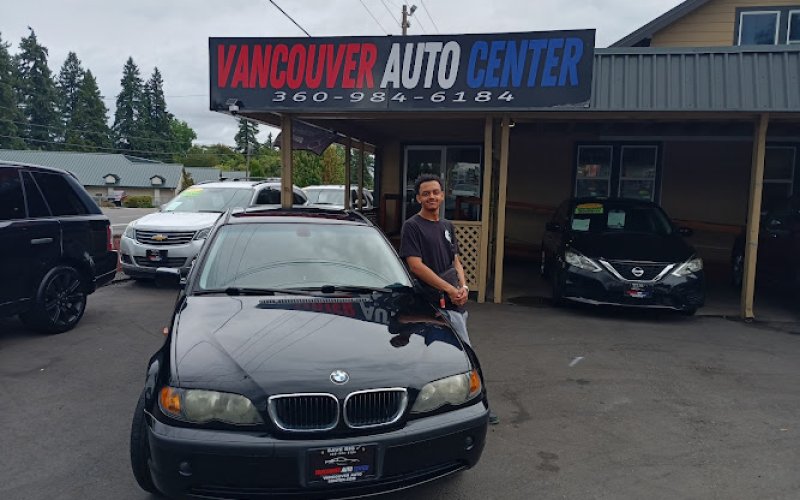
Vancouver Auto Center
Used car dealer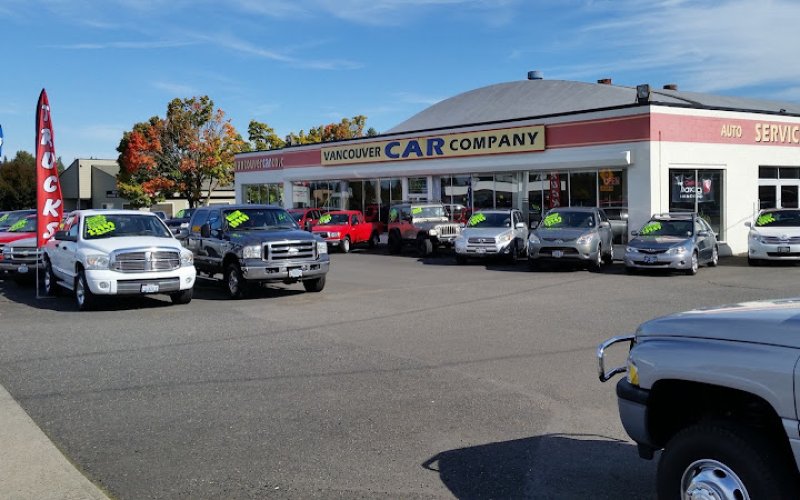
Vancouver Car Company
Used car dealer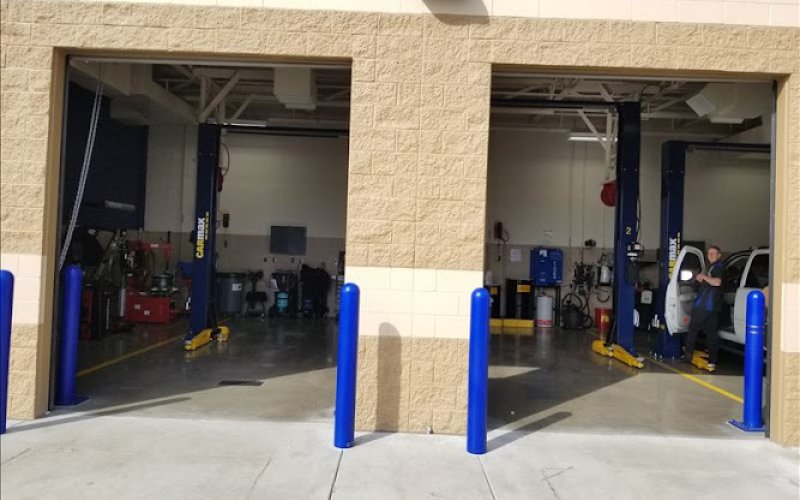
CarMax
Used car dealer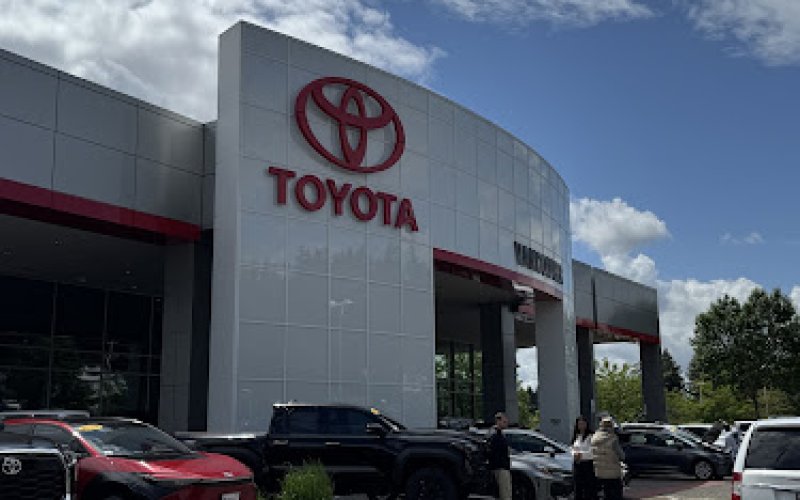
Vancouver Toyota
Toyota dealer
Used LLC
Used car dealer🏆 Are you a dealer in Vancouver? — Get featured at the top of this page for $249/year
Get featured →Research Tools for Vancouver Car Buyers
Dealers advertise the base price — but you pay the out-the-door price. Calculate your real cost before stepping into the dealership in Vancouver.
* WA state sales tax rate is 6.50%, applied here to the advertised price only. Local taxes, trade-in credit rules and doc fee rules vary — check with the dealer. Registration/title is an estimate; actual fees vary by county. This calculator is for budgeting purposes only.
Select the type of vehicle you're considering. We'll give you the critical questions to ask before you drive to the dealership.
Is the advertised price the full price, or does it include mandatory dealer add-ons like window tint or nitrogen in tires?Dealers sometimes add $500–$2,000 in add-ons. Ask for the full itemized out-the-door price before visiting.
Is this exact vehicle physically on your lot at your Vancouver location right now?Some dealers list cars from other locations or in-transit. Confirm it's there before you drive.
What is your current doc fee, and is it negotiable?In WA doc fees are capped at $150 by law. If the dealer charges more, that's a red flag.
Does the MSRP include any Market Adjustment or ADM (Additional Dealer Markup)?Hot models often get markups above MSRP. Get the answer in writing.
What factory incentives or rebates are currently available for this model?Manufacturer incentives can save thousands — and a dealer may not volunteer this info.
What is your return/exchange policy after purchase?Not all dealers offer one. A 3–7 day return window is a trust signal.
Can I take the car for an extended test drive or an overnight evaluation?This is a standard ask at reputable dealerships and helps you spot issues.
Can you provide a free Carfax or AutoCheck report for this vehicle's VIN?A reputable dealer will share this without hesitation. Accidents, odometer rollbacks, and salvage titles appear here.
What is the full service history — was maintenance done at a dealership or independently?Dealer-serviced records are easier to verify. Ask for copies.
Can I arrange a pre-purchase inspection (PPI) by an independent mechanic?This is your strongest protection on a used car. Any dealer who refuses is a red flag.
Is there any rust, frame damage, or flood damage history on this vehicle?Flood-damaged cars can turn up in any market, especially after major storms. Ask directly and verify with a VIN report.
What is the 'as-is' status? Is any warranty included, and for how long?Understand exactly what's covered — some used cars come with 30-day powertrain coverage.
Why is this vehicle being sold? Was it a trade-in, lease return, or auction purchase?Origin affects reliability expectations and price negotiation leverage.
What is your best out-the-door price, including all fees and taxes?Ask for a written OTD breakdown before any paperwork begins.
Which manufacturer's CPO program covers this vehicle — the factory program or a dealer's own?Factory CPO (e.g., Toyota Certified, Honda Certified) offers standardized coverage. Dealer-only CPO programs vary widely.
Exactly what does the CPO warranty cover, and what is excluded?Ask for the written warranty document. Common exclusions: wear items, tires, glass, infotainment.
How many inspection points does your CPO checklist include, and can I see the completed report?A genuine CPO inspection is 100–150+ points. Ask to see the signed document.
Is there a deductible per claim, and does the warranty transfer if I resell?Deductibles of $0–$200 are common. Transferability adds resale value.
Is the vehicle still within its original factory bumper-to-bumper warranty period?CPO bumper-to-bumper may be separate from the original factory period — clarify both timelines.
Does the CPO price include roadside assistance, and for how long?Most manufacturer CPO programs include 24/7 roadside. Confirm the term.
What is the out-the-door price including the CPO certification fee?Some dealers charge a 'CPO fee' separately. This should be disclosed upfront.
These charges can add $1,000–$4,000+ to the price you see advertised. Know them before you sit down with a finance manager in Vancouver.
Doc Fee (Documentation Fee)
Charged for processing paperwork. In WA, doc fees are capped at $150 by state law.
Typical: $150 – $500+Dealer Add-ons (Installed Options)
Window tint, paint sealant, fabric protection, nitrogen tires. Often pre-installed and non-negotiable — but you can try to have them removed from the price.
Common: $300 – $2,000Finance & Insurance (F&I) Add-ons
Extended warranties, GAP insurance, tire-and-wheel protection. Presented in the finance office after you've agreed on price. Each item is optional and separately negotiable.
Common: $500 – $3,000+Market Adjustment / ADM
A markup added above MSRP on high-demand vehicles. Completely legal, 100% negotiable. If you see it — negotiate or walk.
Varies: $500 – $10,000+Sales Tax
WA state sales tax on vehicle purchases is 6.50%. This rate is set by the state — it's not negotiable. Local taxes and trade-in credit treatment vary, so confirm with the dealer.
State rate: 6.50%Registration & Title Fees
State and county fees for transferring title and registering the vehicle. Legitimate and required — but the amount is set by the state, not the dealer.
Typical: $100 – $200About Auto Dealer in Vancouver
Vancouver's auto dealer market just hit a surprising milestone—$847 million in annual sales across 47 registered dealerships. That's up 18% from 2023, making it one of Washington's fastest-growing automotive markets outside Seattle. The surge makes sense when you look at the numbers. Vancouver's population jumped 3.2% last year to 185,400 residents, driven largely by families fleeing Portland's higher taxes and cost of living. These transplants typically arrive with decent savings and immediate car needs—perfect timing since Washington has no state income tax to eat into their auto budgets. The median household income here sits at $73,200, about 12% above the state average. What sets Vancouver apart? Location, location, location. You're minutes from Oregon's tax-free shopping but living in Washington's income-tax-free zone. That creates a unique buyer profile: price-conscious but not cash-strapped. Local dealers tell me their average transaction runs $34,500—higher than Spokane ($28,900) but lower than Seattle metro ($41,200). The sweet spot seems to be late-model used vehicles and mid-tier new cars. Fleet buyers from Portland-area businesses also drive significant volume, taking advantage of Washington's favorable business vehicle tax structure.
East Vancouver
- Area Profile: Newer developments, young families, median income $82,400
- Auto Dealer Activity: SUVs and crossovers dominate—think Honda CR-V, Toyota RAV4, Subaru Outback territory
- Price Range: $25K-$45K sweet spot, with financing preferred over cash
- Local Note: These buyers research everything online first, then want test drives close to home
Downtown/Waterfront District
- Area Profile: Mix of condos and historic homes, professionals, median income $68,900
- Auto Dealer Activity: Compact cars and hybrids for commuting, plus weekend adventure vehicles
- Price Range: Bimodal—either under $22K for city cars or $35K+ for recreational vehicles
- Local Note: Many walk to dealers along McLoughlin Boulevard rather than drive
Salmon Creek Area
- Area Profile: Established suburbs, empty nesters and growing families, median income $89,100
- Auto Dealer Activity: Luxury brands perform well—Lexus, Acura, higher-trim domestic models
- Price Range: $35K-$65K range, often trading in well-maintained vehicles
- Local Note: Highest cash purchase rate in the metro—about 31% vs 19% citywide average
📊 **Current Price Points:**
- Budget options: $8K-$18K (2015-2019 models, higher mileage but reliable brands)
- Mid-range: $20K-$38K (most popular segment, 2020-2023 models with moderate mileage)
- Premium: $40K+ (new vehicles and low-mile luxury models, about 28% of transactions)
The market's definitely cooling from its 2022-2023 peak. Used car prices dropped 8% year-over-year, while new vehicle incentives returned—something we hadn't seen since 2019. Inventory levels finally normalized around November 2024, with dealers carrying 78 days of supply versus the historical norm of 65 days. 📈 **Market Trends:** Demand's down about 11% from last year's inflated levels, but that's actually healthy. We're seeing more trade-ins as people who delayed purchases during the shortage years finally upgrade. Electric vehicles hit 14% of new sales—still behind Seattle (22%) but growing fast thanks to Washington's EV incentives stacking with federal credits. Seasonal patterns are shifting too. Traditionally, spring kicked off buying season, but now December and January see surprising activity. Tax refund season plus year-end dealer incentives create a winter surge nobody predicted five years ago. 💰 **What People Are Spending:**
- Certified pre-owned SUVs: $28,500 average (35% of transactions)
- New compact/midsize sedans: $26,800 average (22% of transactions)
- Used trucks (2018-2021): $32,100 average (18% of transactions)
- Luxury vehicles: $51,200 average (15% of transactions)
- Electric/hybrid vehicles: $34,900 average (10% of transactions)
**Economic Indicators:** Vancouver's growing at 3.2% annually—faster than Seattle (2.1%) or Portland (1.8%). Major employers include PeaceHealth Southwest Medical Center (4,200 employees), Vancouver Public Schools (3,800), and the Port of Vancouver (1,900 direct jobs). The waterfront redevelopment project—$1.5 billion over 10 years—is creating construction jobs and attracting new businesses. Median household income of $73,200 beats the state average by $7,400. More importantly, effective buying power runs higher thanks to no state income tax and proximity to Oregon's sales-tax-free shopping for everything except cars. **Local Market Dynamics:** Here's what makes Vancouver interesting: we're essentially a bedroom community for Portland, but Washington residents. That creates unique buying patterns. People commute south but buy cars north, taking advantage of Washington's lower auto taxes and fees. Oregon's DEQ emissions requirements don't apply here, so diesel trucks and older vehicles stay viable longer. Competition's healthy but not cutthroat—47 dealers serving 185,400 people works out to about 3,940 residents per dealer. Compare that to Portland metro (4,850 per dealer) and you see why local dealers can focus on service rather than just volume. **How This Affects Buyers/Customers:** You get more personal attention and often better deals than in larger metros. But inventory can be limited on specialty vehicles—if you want a specific color/trim combo, expect to wait or travel. The upside? Dealers here work harder to earn repeat customers since the market isn't infinitely deep.
**Vancouver Seasonal Patterns:**
- ☀️ Spring/Summer: Peak season, 35% of annual sales, limited negotiation room
- 🍂 Fall: Moderate demand, model year changeovers create opportunities
- ❄️ Winter: Surprising strength—tax refunds plus dealer incentives boost January-February
- 📅 Peak months: March-May and December-January for different reasons
**Timing Tips for Vancouver:** October through December offers the best deals on current-year models. Dealers need to clear inventory before new model years arrive, and they're motivated to hit annual sales targets. January's also strong for used vehicles as people trade in during tax season. Avoid March through June unless you need a car immediately. That's when demand peaks thanks to tax refunds, graduation season, and summer vacation prep. You'll pay full price and have limited selection. **Smart Timing Tips:**
- ✓ Shop Tuesday-Thursday when salespeople have more time to negotiate
- ✓ End of month beats beginning of month by an average of $850 in final price
- ✓ Rainy weekdays = best negotiating position (fewer shoppers = more attention)
- ✓ Bring pre-approved financing even if you plan to use dealer financing—gives you leverage
**Credentials to Verify:** Washington State Department of Licensing regulates all auto dealers—check their website for active licenses and any disciplinary actions. Look for membership in the Washington State Auto Dealers Association (WSADA) and Better Business Bureau accreditation. National brand dealers should have manufacturer certifications current. **Questions to Ask:** How long have you been at this location? (Fly-by-night operations move frequently.) Can you provide three local customer references from the past six months? What's your policy on undisclosed damage or mechanical issues discovered after purchase? ⚠️ **Red Flags Specific to Vancouver Auto Dealer:**
- Pressure to "buy today" before you can arrange independent inspection
- Reluctance to provide CarFax or similar history reports on used vehicles
- Advertising prices that don't include "doc fees" exceeding $200 (state maximum)
- Pushing extended warranties from third-party companies you've never heard of
**Where to Check Complaints:** Washington State Department of Licensing maintains complaint records. BBB profiles show complaint patterns and resolution rates. Google and Yelp reviews matter, but look for detailed reviews mentioning specific experiences rather than generic five-star ratings that could be fake.
✓ Established presence in Vancouver (not just passing through)
✓ Verifiable local reviews and references
✓ Transparent pricing, no hidden fees
✓ Clear process explained upfront
✓ Responsive communication
Cost Calculator
Check Reviews & Ratings
We recommend verifying businesses through trusted review platforms before making a decision.
Frequently Asked Questions
Popular Categories in Vancouver
Explore Other Cities
🚙 Auto Dealers near Vancouver
Professional Categories in Vancouver, WA
Related Services from Similar Professionals