Trusted Auto Dealers in San Francisco, CA
Welcome to our San Francisco car dealer directory – your go-to spot for finding the perfect ride in the City by the Hills! Whether you're hunting for a fuel-efficient commuter car to tackle those steep streets or a weekend adventure vehicle, we've got you covered with local dealers who know this city inside and out.
Map of Businesses in San Francisco
All Listings in San Francisco
14 businesses
Green Light Auto Wholesale
Used car dealer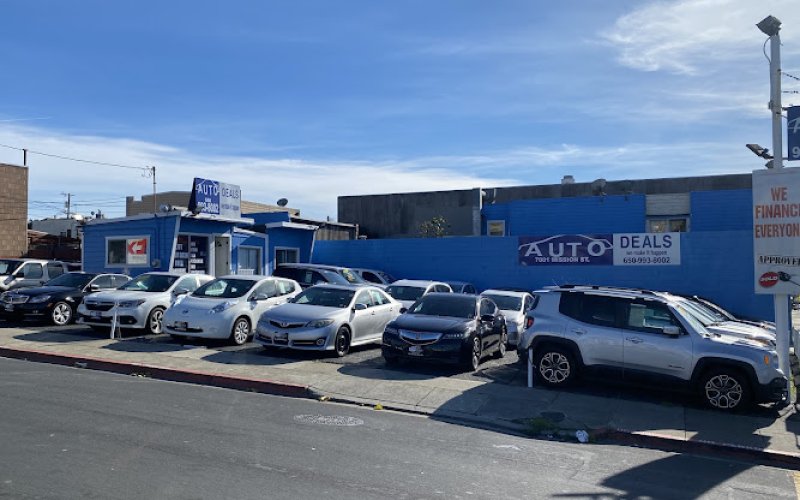
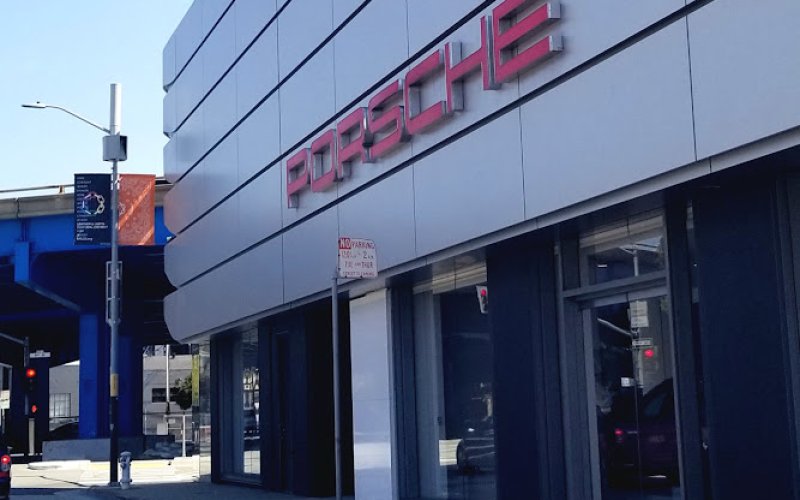
Porsche San Francisco
Porsche dealer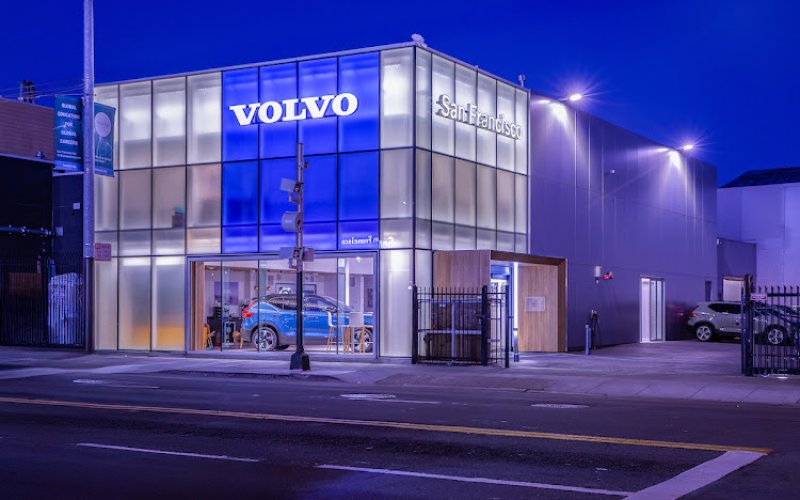
Volvo Cars San Francisco
Volvo dealer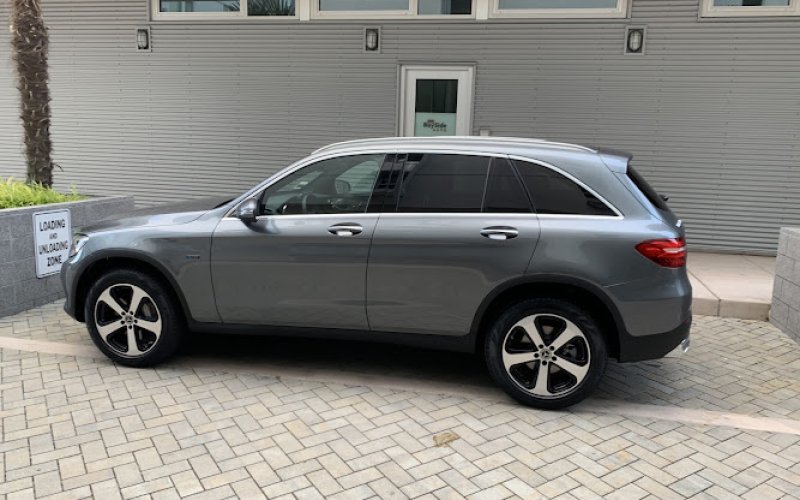
BuySide Auto
Auto broker
Ever
Electric motor vehicle dealer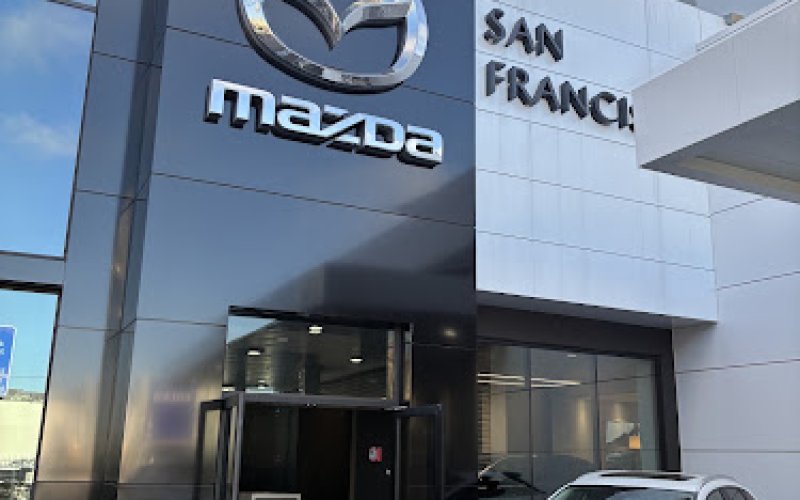
Mazda San Francisco
Mazda dealer
BMW of San Francisco
BMW dealer
Cars Dawydiak
Auto body shop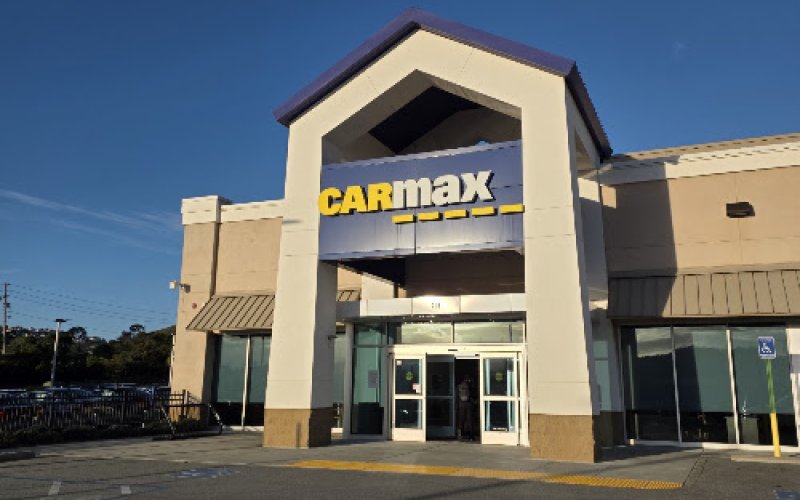
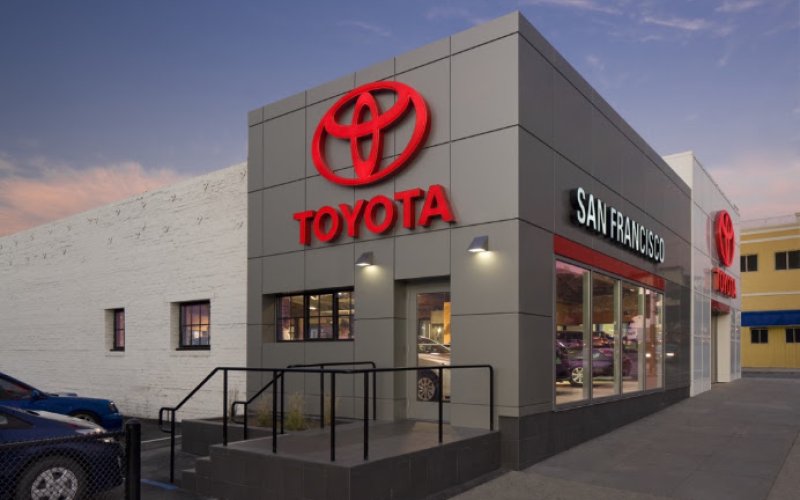
San Francisco Toyota
Toyota dealer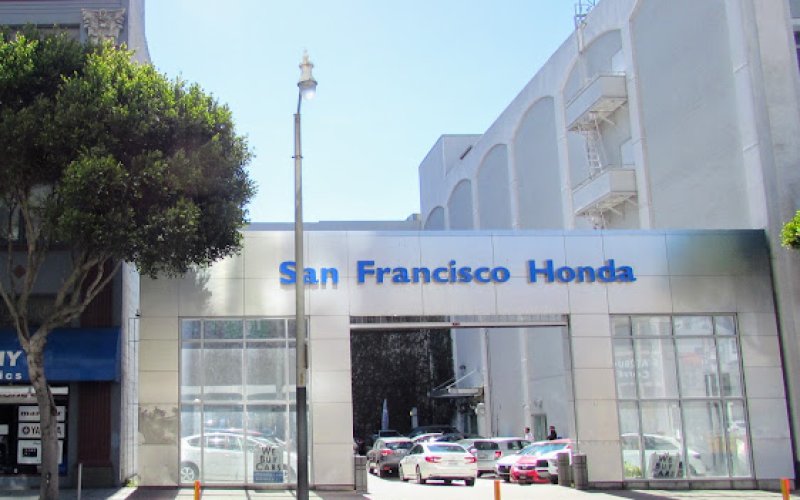
San Francisco Honda
Honda dealer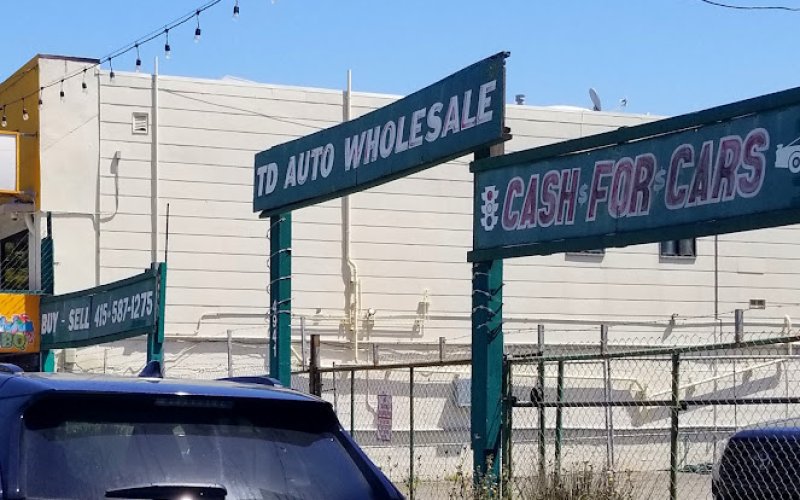
T D Auto Wholesale
Used car dealer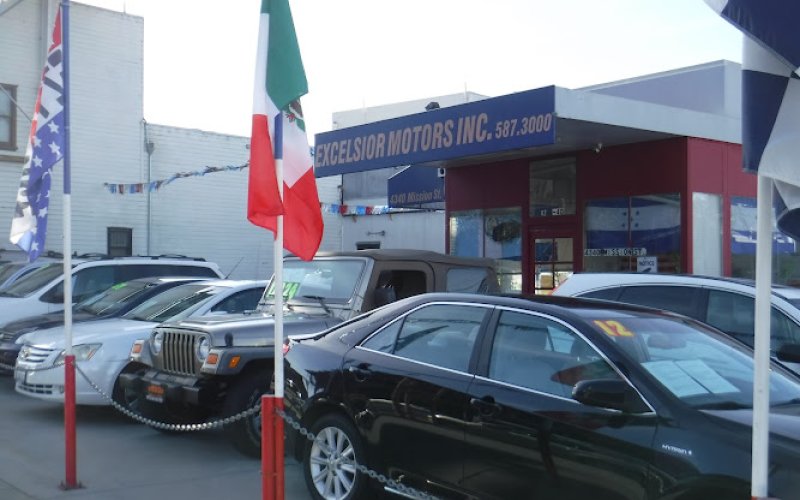
Excelsior Motors Inc
Used car dealer🏆 Are you a dealer in San Francisco? — Get featured at the top of this page for $249/year
Get featured →Research Tools for San Francisco Car Buyers
Dealers advertise the base price — but you pay the out-the-door price. Calculate your real cost before stepping into the dealership in San Francisco.
* CA state sales tax rate is 7.25%, applied here to the advertised price only. Local taxes, trade-in credit rules and doc fee rules vary — check with the dealer. Registration/title is an estimate; actual fees vary by county. This calculator is for budgeting purposes only.
Select the type of vehicle you're considering. We'll give you the critical questions to ask before you drive to the dealership.
Is the advertised price the full price, or does it include mandatory dealer add-ons like window tint or nitrogen in tires?Dealers sometimes add $500–$2,000 in add-ons. Ask for the full itemized out-the-door price before visiting.
Is this exact vehicle physically on your lot at your San Francisco location right now?Some dealers list cars from other locations or in-transit. Confirm it's there before you drive.
What is your current doc fee, and is it negotiable?In CA doc fees are capped at $85 by law. If the dealer charges more, that's a red flag.
Does the MSRP include any Market Adjustment or ADM (Additional Dealer Markup)?Hot models often get markups above MSRP. Get the answer in writing.
What factory incentives or rebates are currently available for this model?Manufacturer incentives can save thousands — and a dealer may not volunteer this info.
What is your return/exchange policy after purchase?Not all dealers offer one. A 3–7 day return window is a trust signal.
Can I take the car for an extended test drive or an overnight evaluation?This is a standard ask at reputable dealerships and helps you spot issues.
Can you provide a free Carfax or AutoCheck report for this vehicle's VIN?A reputable dealer will share this without hesitation. Accidents, odometer rollbacks, and salvage titles appear here.
What is the full service history — was maintenance done at a dealership or independently?Dealer-serviced records are easier to verify. Ask for copies.
Can I arrange a pre-purchase inspection (PPI) by an independent mechanic?This is your strongest protection on a used car. Any dealer who refuses is a red flag.
Is there any rust, frame damage, or flood damage history on this vehicle?Flood-damaged cars can turn up in any market, especially after major storms. Ask directly and verify with a VIN report.
What is the 'as-is' status? Is any warranty included, and for how long?Understand exactly what's covered — some used cars come with 30-day powertrain coverage.
Why is this vehicle being sold? Was it a trade-in, lease return, or auction purchase?Origin affects reliability expectations and price negotiation leverage.
What is your best out-the-door price, including all fees and taxes?Ask for a written OTD breakdown before any paperwork begins.
Which manufacturer's CPO program covers this vehicle — the factory program or a dealer's own?Factory CPO (e.g., Toyota Certified, Honda Certified) offers standardized coverage. Dealer-only CPO programs vary widely.
Exactly what does the CPO warranty cover, and what is excluded?Ask for the written warranty document. Common exclusions: wear items, tires, glass, infotainment.
How many inspection points does your CPO checklist include, and can I see the completed report?A genuine CPO inspection is 100–150+ points. Ask to see the signed document.
Is there a deductible per claim, and does the warranty transfer if I resell?Deductibles of $0–$200 are common. Transferability adds resale value.
Is the vehicle still within its original factory bumper-to-bumper warranty period?CPO bumper-to-bumper may be separate from the original factory period — clarify both timelines.
Does the CPO price include roadside assistance, and for how long?Most manufacturer CPO programs include 24/7 roadside. Confirm the term.
What is the out-the-door price including the CPO certification fee?Some dealers charge a 'CPO fee' separately. This should be disclosed upfront.
These charges can add $1,000–$4,000+ to the price you see advertised. Know them before you sit down with a finance manager in San Francisco.
Doc Fee (Documentation Fee)
Charged for processing paperwork. In CA, doc fees are capped at $85 by state law.
Typical: $150 – $500+Dealer Add-ons (Installed Options)
Window tint, paint sealant, fabric protection, nitrogen tires. Often pre-installed and non-negotiable — but you can try to have them removed from the price.
Common: $300 – $2,000Finance & Insurance (F&I) Add-ons
Extended warranties, GAP insurance, tire-and-wheel protection. Presented in the finance office after you've agreed on price. Each item is optional and separately negotiable.
Common: $500 – $3,000+Market Adjustment / ADM
A markup added above MSRP on high-demand vehicles. Completely legal, 100% negotiable. If you see it — negotiate or walk.
Varies: $500 – $10,000+Sales Tax
CA state sales tax on vehicle purchases is 7.25%. This rate is set by the state — it's not negotiable. Local taxes and trade-in credit treatment vary, so confirm with the dealer.
State rate: 7.25%Registration & Title Fees
State and county fees for transferring title and registering the vehicle. Legitimate and required — but the amount is set by the state, not the dealer.
Typical: $100 – $200About Auto Dealer in San Francisco
Here's something that'll surprise you: San Francisco has exactly zero auto dealerships operating within city limits as of 2026. Zero. This isn't some data glitch—it's the reality of a 47-square-mile city where commercial real estate averages $85 per square foot and parking spots sell for $300,000. The last traditional dealership, Nissan on Van Ness, closed in 2019. What we have instead is a fascinating ecosystem of mobile dealers, pop-up showrooms, and delivery-only operations serving SF's 875,000 residents who somehow still manage to own 442,000 registered vehicles. But here's what the numbers don't show: demand is actually growing. Electric vehicle registrations jumped 47% in 2025, driven by Tesla owners (obviously) and a surprising surge in Rivian and Lucid purchases among tech workers. The average SF household income of $126,000 means people can afford cars—they just can't afford to house the dealerships that sell them. Instead, we're seeing mobile showrooms operating out of converted food trucks, appointment-only galleries in SOMA warehouses, and a thriving direct-to-consumer market that's reshaping how San Francisco buys cars. Most dealers now operate from Daly City or San Bruno, delivering to customers' homes because that's literally the only model that works here.
SOMA & Financial District
- Area Profile: High-rise condos, converted lofts, zero parking buildings from the dot-com boom
- Common Auto Dealer Work: Luxury EV sales, corporate fleet consulting, valet delivery to office buildings
- Price Range: $45K-$150K typical transactions (Tesla Model S, BMW i7, Mercedes EQS)
- Local Note: Many buildings have zero guest parking, so dealers coordinate with building management for delivery appointments
Pacific Heights & Presidio Heights
- Area Profile: $3-8M homes built 1920s-1950s, private garages, established wealth
- Common Auto Dealer Work: Ultra-luxury sales, classic car brokering, concierge maintenance services
- Price Range: $80K-$400K+ (Porsche, Bentley, McLaren territory)
- Local Note: Steep driveways and narrow streets require specialized transport trucks; many clients prefer white-glove home delivery
Mission & Potrero Hill
- Area Profile: Mix of tech workers and long-time residents, street parking wars, converted warehouses
- Common Auto Dealer Work: Used car sales, motorcycle dealers, alternative financing options
- Price Range: $15K-$65K (practical commuter vehicles, certified pre-owned)
- Local Note: High car break-in rates mean security features are a major selling point; many buyers prioritize anti-theft systems
📊 **Current Pricing:**
- Entry-level: $18K-$28K (certified pre-owned compacts, older EVs)
- Mid-range: $35K-$65K (new sedans, crossovers, base luxury models)
- Premium: $75K+ (Tesla Model S, German luxury, exotic sports cars)
The market's gotten weird. Really weird. With no physical lots, pricing has become more transparent but also more volatile. Mobile dealers are cutting overhead costs by 15-20%, but delivery fees ($200-$800 depending on vehicle type) eat into those savings. 📈 **Market Trends:** Electric vehicles now represent 34% of all new car sales in SF—triple the national average. But here's the kicker: used EV prices dropped 23% in 2025 as lease returns flooded the market. Meanwhile, gas car values actually increased 8% because supply tightened as manufacturers pivoted to electric production. Labor's tight too—certified mechanics are booking 3-4 weeks out, and mobile service techs are charging $150/hour minimum. Seasonal patterns? Forget everything you know. January-March is actually peak season here because that's when people get their stock option payouts and bonuses. Summer's dead because everyone's either on vacation or dealing with IPO lockup periods. 💰 **What People Are Spending:**
- Tesla Model Y: $52K average (28% of luxury EV market)
- Used luxury sedans: $38K average (BMW 3-series, Audi A4)
- Certified pre-owned crossovers: $31K average
- Exotic/collector cars: $185K average (small but profitable segment)
San Francisco's economy is simultaneously booming and broken, which creates this bizarre auto market. **Economic Indicators:** Population's actually shrinking—down 1.2% in 2025 to 843,000 residents. But here's the twist: median household income jumped to $126,000, up 8% from 2024. The city's losing middle-class families but gaining high-earners who can afford expensive cars. Major employers like Salesforce, Meta, and Google are requiring more office days, driving demand for commuter vehicles. New development? The Mission Bay biotech corridor added 4,200 jobs in 2025, mostly six-figure positions. **Housing Market:** - Median home value: $1,385,000 (up 3.2% year-over-year) - New construction permits: 3,847 units approved in 2025 - Inventory: 1.8 months supply (still crazy tight) - Average days on market: 23 days **How This Affects Auto Dealer:** When your mortgage payment is $8,000/month, a $600 car payment feels manageable. High housing costs actually correlate with luxury car sales here—it's wealth signaling when you can't show off your house because everyone lives in tiny spaces. Plus, new condo buildings are adding more parking (finally), creating pent-up demand from people who've been carless by necessity, not choice.
**Weather Data:**
- ☀️ Summer: High 60s-70s°F, foggy mornings, dry afternoons
- ❄️ Winter: Low 40s-50s°F, rainy December-March
- 🌧️ Annual rainfall: 23 inches (mostly winter storms)
- 💨 Wind/storms: Constant coastal winds, occasional atmospheric rivers
Look, SF weather is gentle but sneaky destructive. That marine layer? It's basically a salt mist that corrodes everything metal. I've seen 3-year-old BMWs with rust spots because owners didn't realize they needed to rinse their cars weekly. **Impact on Auto Dealer:** Best months for car shopping are April-June and September-October—mild weather, no rain, good visibility for test drives. But here's what dealers know: fog season (July-August) is actually great for sales because people realize they need heated seats and all-wheel-drive even in "sunny" California. Rain season creates a rush for SUVs and crossovers because SF hills get sketchy in wet weather. **Homeowner Tips:** ✓ Rinse your car weekly to remove salt buildup from fog ✓ Invest in covered parking—street parking destroys paint and electronics ✓ All-season tires are essential; summer tires are dangerous on wet hills ✓ Consider paint protection film if you're spending $50K+ on a vehicle
**License Verification:** California requires auto dealers to hold a license through the Department of Motor Vehicles Occupational Licensing Branch. For new car dealers, that's a Class A dealer license; used car dealers need Class B. You can verify any dealer license at dmv.ca.gov/portal using their dealer number—which should be prominently displayed on all paperwork and advertising. **Insurance Requirements:** - General liability minimum: $50,000 (though most carry $1M+) - Dealer bond: $50,000 for new car dealers, $10,000 for used - Garage keeper's liability for vehicles in their care ⚠️ **Red Flags in San Francisco:**
- Mobile dealers without proper DMV temporary operating permits—they're required for any sales activity in SF
- "Delivery only" dealers who won't let you inspect the vehicle before purchase
- Dealers who can't provide local service recommendations (red flag for fly-by-night operations)
- Anyone asking for full payment before delivery—legitimate dealers use escrow or financing
**Where to Check Complaints:** California DMV maintains complaint records for all licensed dealers. Better Business Bureau tracks customer complaints, but also check Google reviews specifically filtering for San Francisco delivery experiences—that's where the real problems surface.
✓ At least 2 years operating in SF specifically (not just Bay Area licensed)
✓ References from your specific neighborhood—hills and parking vary wildly
✓ Detailed delivery logistics plan including building coordination
✓ Clear return policy for fit/access issues
✓ Relationships with local service centers and DMV
Check Reviews & Ratings
We recommend verifying businesses through trusted review platforms before making a decision.
Frequently Asked Questions
Popular Categories in San Francisco
Explore Other Cities
🚙 Auto Dealers near San Francisco
Professional Categories in San Francisco, CA
Related Services from Similar Professionals