Your Charleston, SC Auto Dealers, Sorted
Looking for a ride in the Holy City? Browse our directory of Charleston's best auto dealers and find your next car, truck, or SUV without the hassle.
Map of Businesses in Charleston
All Listings in Charleston
10 businesses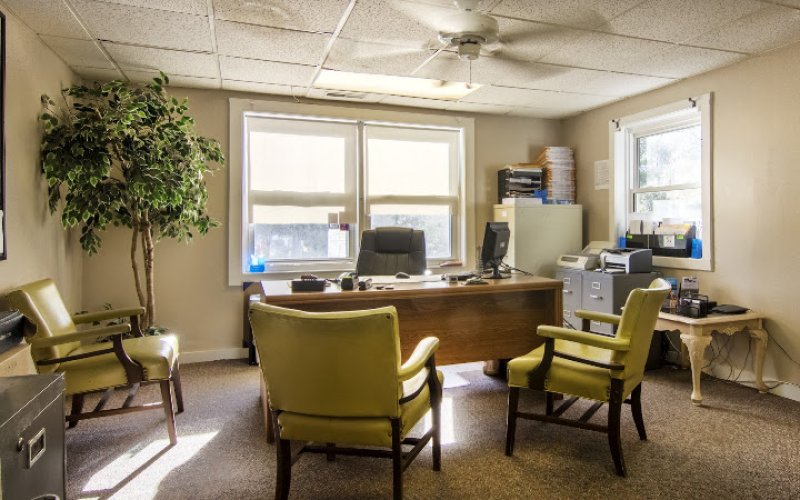
Car Coast Auto Sales
Used car dealer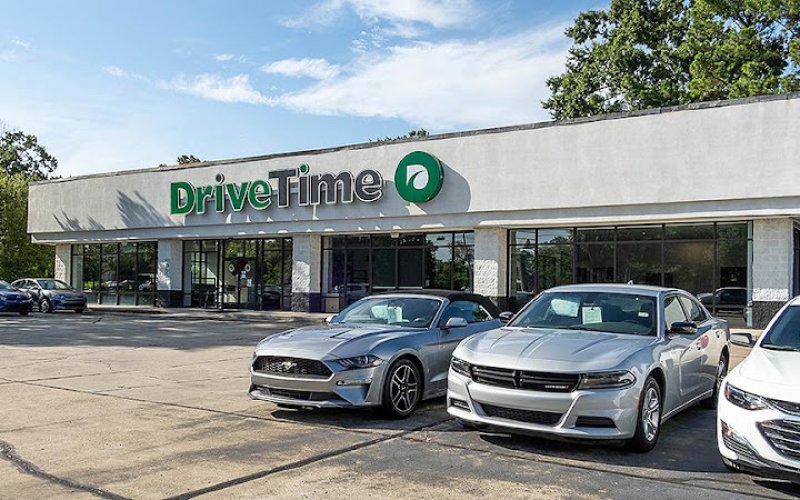
DriveTime Used Cars
Used car dealer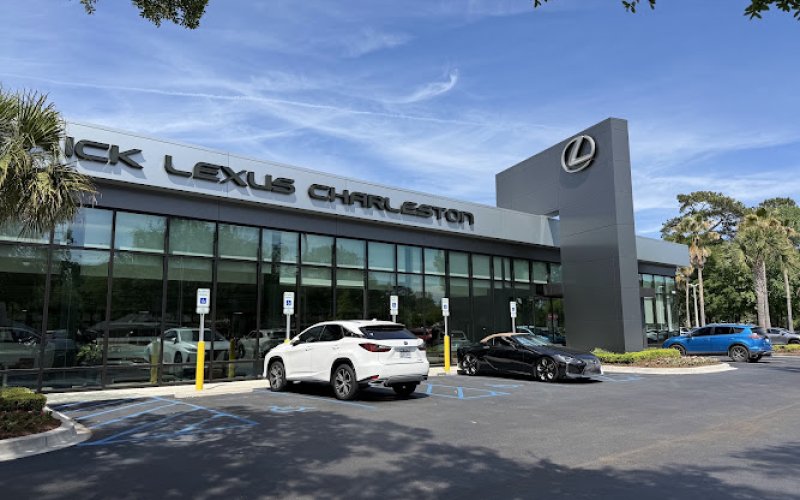
Hendrick Lexus Charleston
Lexus dealer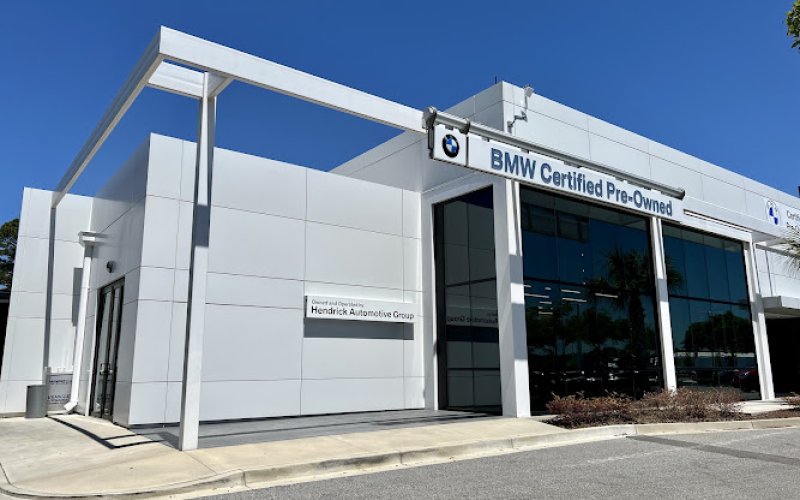
Rick Hendrick BMW
BMW dealer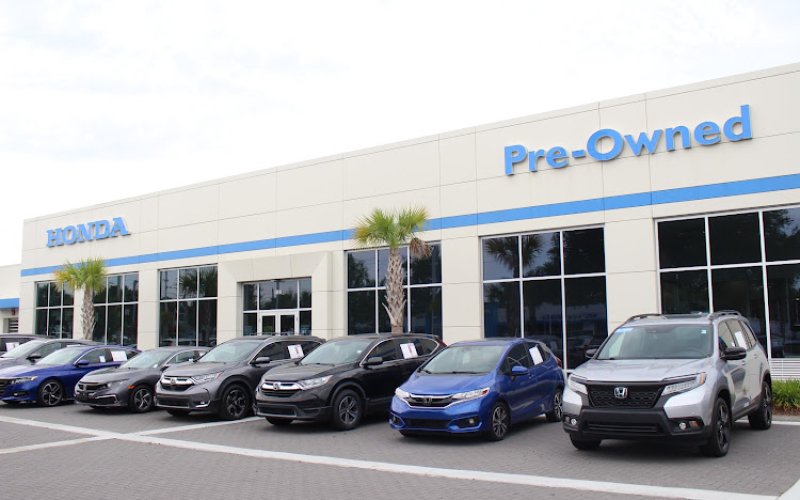
Hendrick Honda of Charleston
Honda dealer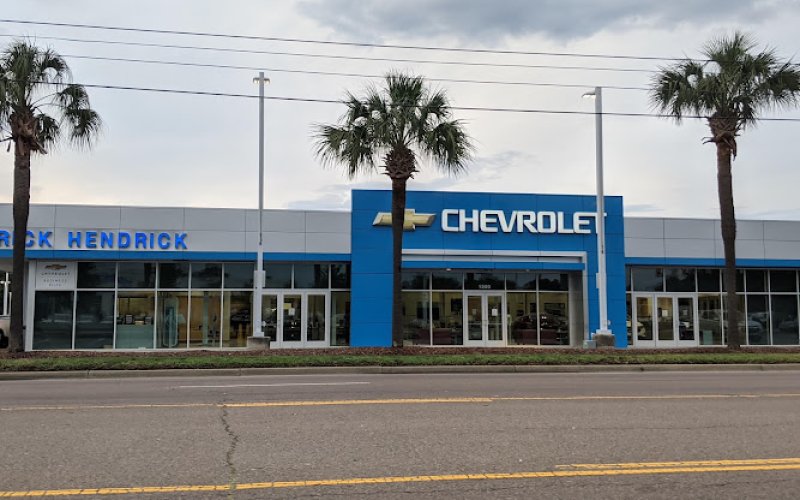
Rick Hendrick Chevrolet Charleston
Chevrolet dealer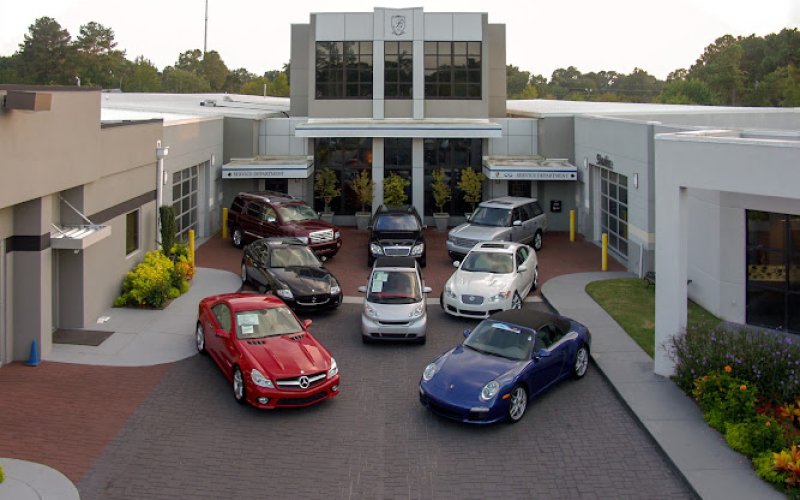
Baker Motor Company (Automotive Group)
Car dealer
Rick Hendrick Dodge Chrysler Jeep RAM
Ram dealer
AutoNation USA Charleston
Used car dealer
🏆 Are you a dealer in Charleston? — Get featured at the top of this page for $249/year
Get featured →Research Tools for Charleston Car Buyers
Dealers advertise the base price — but you pay the out-the-door price. Calculate your real cost before stepping into the dealership in Charleston.
* SC state sales tax rate is 5.00%, applied here to the advertised price only. Local taxes, trade-in credit rules and doc fee rules vary — check with the dealer. Registration/title is an estimate; actual fees vary by county. This calculator is for budgeting purposes only.
Select the type of vehicle you're considering. We'll give you the critical questions to ask before you drive to the dealership.
Is the advertised price the full price, or does it include mandatory dealer add-ons like window tint or nitrogen in tires?Dealers sometimes add $500–$2,000 in add-ons. Ask for the full itemized out-the-door price before visiting.
Is this exact vehicle physically on your lot at your Charleston location right now?Some dealers list cars from other locations or in-transit. Confirm it's there before you drive.
What is your current doc fee, and is it negotiable?In SC doc fees are capped at $225 by law. If the dealer charges more, that's a red flag.
Does the MSRP include any Market Adjustment or ADM (Additional Dealer Markup)?Hot models often get markups above MSRP. Get the answer in writing.
What factory incentives or rebates are currently available for this model?Manufacturer incentives can save thousands — and a dealer may not volunteer this info.
What is your return/exchange policy after purchase?Not all dealers offer one. A 3–7 day return window is a trust signal.
Can I take the car for an extended test drive or an overnight evaluation?This is a standard ask at reputable dealerships and helps you spot issues.
Can you provide a free Carfax or AutoCheck report for this vehicle's VIN?A reputable dealer will share this without hesitation. Accidents, odometer rollbacks, and salvage titles appear here.
What is the full service history — was maintenance done at a dealership or independently?Dealer-serviced records are easier to verify. Ask for copies.
Can I arrange a pre-purchase inspection (PPI) by an independent mechanic?This is your strongest protection on a used car. Any dealer who refuses is a red flag.
Is there any rust, frame damage, or flood damage history on this vehicle?Flood-damaged cars can turn up in any market, especially after major storms. Ask directly and verify with a VIN report.
What is the 'as-is' status? Is any warranty included, and for how long?Understand exactly what's covered — some used cars come with 30-day powertrain coverage.
Why is this vehicle being sold? Was it a trade-in, lease return, or auction purchase?Origin affects reliability expectations and price negotiation leverage.
What is your best out-the-door price, including all fees and taxes?Ask for a written OTD breakdown before any paperwork begins.
Which manufacturer's CPO program covers this vehicle — the factory program or a dealer's own?Factory CPO (e.g., Toyota Certified, Honda Certified) offers standardized coverage. Dealer-only CPO programs vary widely.
Exactly what does the CPO warranty cover, and what is excluded?Ask for the written warranty document. Common exclusions: wear items, tires, glass, infotainment.
How many inspection points does your CPO checklist include, and can I see the completed report?A genuine CPO inspection is 100–150+ points. Ask to see the signed document.
Is there a deductible per claim, and does the warranty transfer if I resell?Deductibles of $0–$200 are common. Transferability adds resale value.
Is the vehicle still within its original factory bumper-to-bumper warranty period?CPO bumper-to-bumper may be separate from the original factory period — clarify both timelines.
Does the CPO price include roadside assistance, and for how long?Most manufacturer CPO programs include 24/7 roadside. Confirm the term.
What is the out-the-door price including the CPO certification fee?Some dealers charge a 'CPO fee' separately. This should be disclosed upfront.
These charges can add $1,000–$4,000+ to the price you see advertised. Know them before you sit down with a finance manager in Charleston.
Doc Fee (Documentation Fee)
Charged for processing paperwork. In SC, doc fees are capped at $225 by state law.
Typical: $150 – $500+Dealer Add-ons (Installed Options)
Window tint, paint sealant, fabric protection, nitrogen tires. Often pre-installed and non-negotiable — but you can try to have them removed from the price.
Common: $300 – $2,000Finance & Insurance (F&I) Add-ons
Extended warranties, GAP insurance, tire-and-wheel protection. Presented in the finance office after you've agreed on price. Each item is optional and separately negotiable.
Common: $500 – $3,000+Market Adjustment / ADM
A markup added above MSRP on high-demand vehicles. Completely legal, 100% negotiable. If you see it — negotiate or walk.
Varies: $500 – $10,000+Sales Tax
SC state sales tax on vehicle purchases is 5.00%. This rate is set by the state — it's not negotiable. Local taxes and trade-in credit treatment vary, so confirm with the dealer.
State rate: 5.00%Registration & Title Fees
State and county fees for transferring title and registering the vehicle. Legitimate and required — but the amount is set by the state, not the dealer.
Typical: $100 – $200About Auto Dealer in Charleston
Here's something people don't think about: a lowcountry city with salt air, flood-prone roads, and a tourism economy shapes its car lots just as much as any spreadsheet of consumer demand.
Charleston's dealer scene is a mix — you've got your franchise stores clustered along the bigger commercial corridors selling new inventory backed by manufacturer incentives, and then independent used-car lots scattered more widely, often family-run, often specializing in a particular price point or vehicle type. Neither one is "better" by default. They just serve different needs.
Demand here gets pushed by the usual suspects: people relocating for work, college students at the area's universities needing a first car, retirees settling in, and locals replacing vehicles that took a beating from humidity and salt exposure. And that last one matters more here than in a lot of markets — coastal climate is genuinely hard on cars, from corrosion to interior wear.
Typical customers range wildly. Young professionals moving downtown for jobs, military families rotating through (this is a Navy town at its roots), retirees who want something reliable for errands and beach trips, and longtime residents just doing a routine trade-in. Charleston's specific mix of historic downtown density, sprawling suburbs, and barrier-island communities means the "typical buyer" really depends on which part of the metro you're talking about.
Downtown / Peninsula
- Area Character: Historic, walkable, dense — parking is tight and a lot of daily life happens on foot or by bike.
- Auto Dealers Relevance: Buyers here often want smaller, easier-to-park vehicles, or they're weighing whether they need a car at all versus relying on rideshare and walking.
- Good to Know: Street parking restrictions and narrow historic streets make test-driving downtown a little more of a hassle — plan routes ahead if you're comparing cars in this part of town.
Mount Pleasant
- Area Character: Suburban, family-oriented, growing steadily across the bridge from downtown.
- Auto Dealers Relevance: More demand for SUVs, family haulers, and vehicles suited to longer commutes and school-run duty.
- Good to Know: Traffic across the Ravenel Bridge and along Highway 17 can be brutal at peak hours — factor commute realities into what size vehicle actually makes sense.
West Ashley
- Area Character: Older, established suburban area, a real mix of income levels and housing stock.
- Auto Dealers Relevance: Tends to be a strong market for used and certified pre-owned vehicles — practical, value-driven buyers.
- Good to Know: Because it's less flashy than some other suburbs, dealer lots here sometimes carry more negotiating room. Worth a look even if you started your search elsewhere.
North Charleston
- Area Character: More industrial and commercial, home to a lot of the metro's bigger retail and auto corridors.
- Auto Dealers Relevance: This is genuinely where a lot of the car shopping happens regionally — bigger lots, wider selection, more direct competition between dealers.
- Good to Know: Because there's more dealer density here, it's a smart area to do side-by-side comparisons in a single afternoon.
💰 What Drives the Price:
- Age, mileage, trim level, accident history, and overall condition move the needle more than almost anything else — two "identical" cars can price differently for reasons that only show up once you look closely.
- New vs. used is its own category split entirely: new cars carry manufacturer pricing and incentives, used cars price off condition and market comparables.
- The only real way to know what's fair right now is comparing multiple Charleston dealers directly — pricing shifts with inventory and season, so last year's numbers (or another city's) won't tell you much.
📈 General Patterns:
Demand for vehicle shopping tends to pick up in warmer months when people are more active and more willing to spend a Saturday on a lot. It tends to cool off some in deep winter, aside from a bump around year-end deals.
Negotiating room generally opens up toward the end of a sales month, end of quarter, or end of the calendar year, and especially when new model-year vehicles are arriving and dealers want outgoing inventory gone.
- Get quotes from at least two or three Charleston dealers on comparable vehicles before deciding anything.
- Ask directly whether current manufacturer incentives or dealer promotions apply to the specific vehicle you're looking at — these change often.
- Have a mechanic or inspection service check any used vehicle before you commit, especially given how coastal climate affects wear.
Why Local Dealers Have an Edge: A dealer who's actually based here understands things an out-of-town seller won't — how salt air and humidity affect a car over time, which trims hold up best on lowcountry roads, and what local buyers actually need day to day.
Local dealers are also just easier to hold accountable. If something goes wrong with service or a warranty claim, you can walk back in. Try doing that with an online seller three states away.
And reputation is checkable. Local reviews, word of mouth, how long they've actually been open in the area — all of that is verifiable in a way that a slick website alone isn't.
What This Means for You: Practically speaking, buying local gives you a real place to go back to, a dealer motivated to keep their local reputation intact, and someone who already understands the conditions your car will actually face here.
General Seasonal Patterns:
- ☀️ Spring/Summer: shopping activity generally picks up as weather improves and people plan travel or moves.
- 🍂 Fall: new model-year vehicles start arriving, which pushes outgoing models toward clearance-style pricing.
- ❄️ Winter: overall shopping slows, but year-end sales events can create real opportunities.
- 📅 Negotiating leverage tends to be strongest at month-end, quarter-end, and when dealers are clearing space for new inventory.
Smart Timing Tips:
- ✓ Shop near the end of the month if you want more room to negotiate.
- ✓ Watch for new model-year releases — that's when last year's models often get repriced.
- ✓ Don't assume winter is always slow everywhere; year-end promotions can be genuinely worth waiting for.
- ✓ Avoid shopping under time pressure (like a car that just died) — rushed buyers rarely get the best deal.
Credentials to Verify: Confirm the dealer holds a valid state dealer license — check with SC's DMV or motor vehicle authority if you're unsure how to verify one. Beyond that, look at how long they've actually operated under the current name and ownership, and read a real spread of reviews, not just the top three on their homepage.
Questions to Ask:
- How long have you operated here in Charleston?
- Can you provide references from recent local customers?
- Are all fees, add-ons, and financing terms disclosed upfront, in writing?
⚠️ General Red Flags for Auto Dealers:
- Pressure to sign financing paperwork the same day, before you've had time to think it over.
- Vague or shifting answers about a vehicle's accident or repair history.
- Advertised price that mysteriously grows once you're sitting at the finance desk.
- Reluctance to let you get an independent inspection before purchase.
Where to Check Complaints: Start with your state's DMV or consumer protection office, then check the Better Business Bureau. On Google and Yelp, look less at the star average and more for repeated patterns — several people describing the same bait-and-switch tactic is worth far more than one angry one-star review.
✓ Established presence in Charleston (not just passing through)
✓ Verifiable local reviews and references
✓ Transparent pricing, no hidden fees
✓ Clear vehicle history disclosure
✓ Responsive communication
Check Reviews & Ratings
We recommend verifying businesses through trusted review platforms before making a decision.
Frequently Asked Questions
Popular Categories in Charleston
Explore Other Cities
🚙 Auto Dealers near Charleston
Professional Categories in Charleston, SC
Related Services from Similar Professionals