Trusted, Top-Rated Auto Dealers in Denver, CO
Welcome to your go-to spot for finding the best car dealers in the Mile High City! Whether you're hunting for a reliable daily driver or that dream ride you've been eyeing, we've got Denver's top auto dealers all in one place to make your search easy.
Map of Businesses in Denver
All Listings in Denver
11 businesses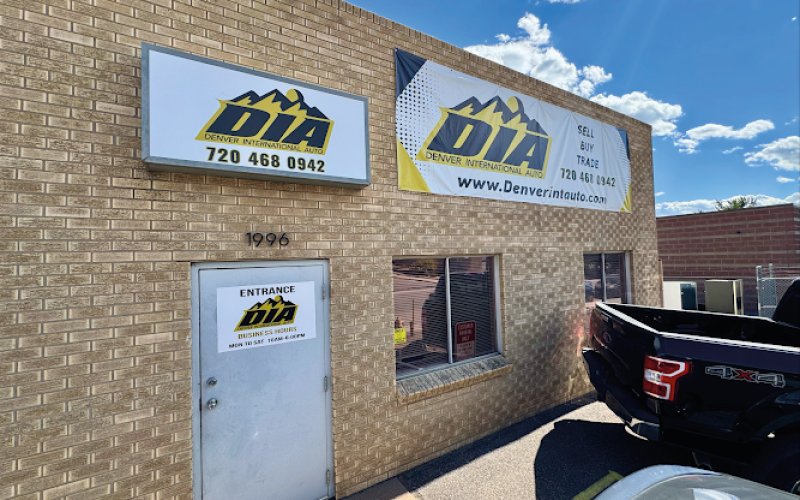
Denver International Auto
Car dealer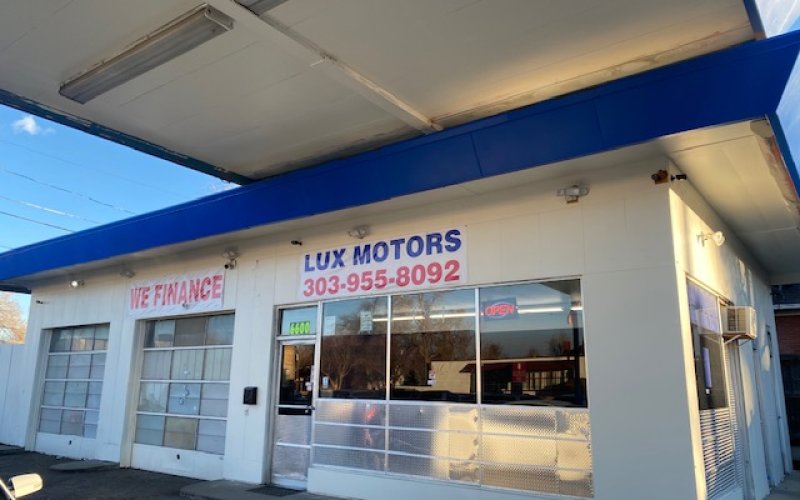
Lux Motors
Used car dealer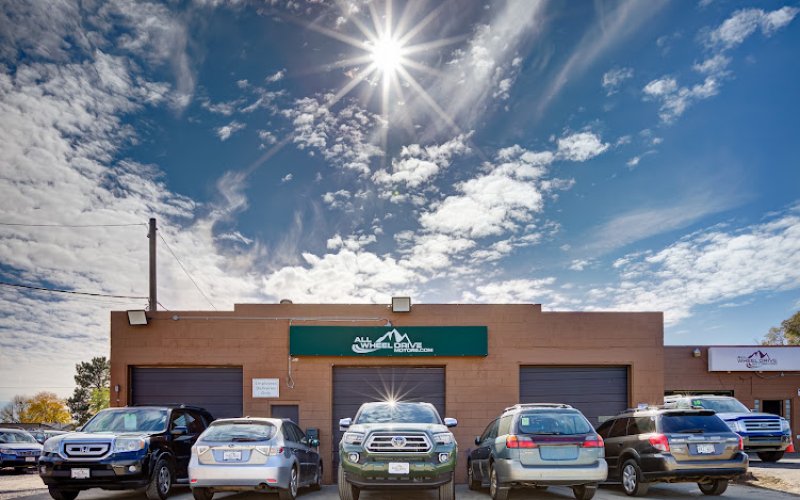
All Wheel Drive Motors
Used car dealer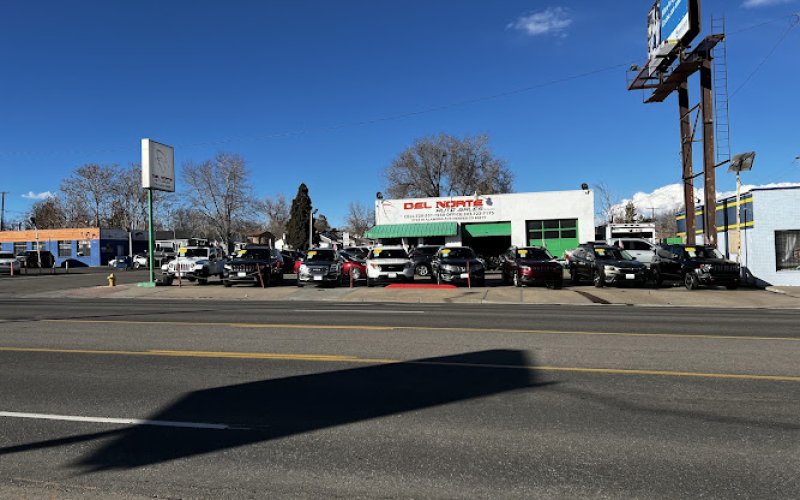
Del Norte Automobile
Used car dealer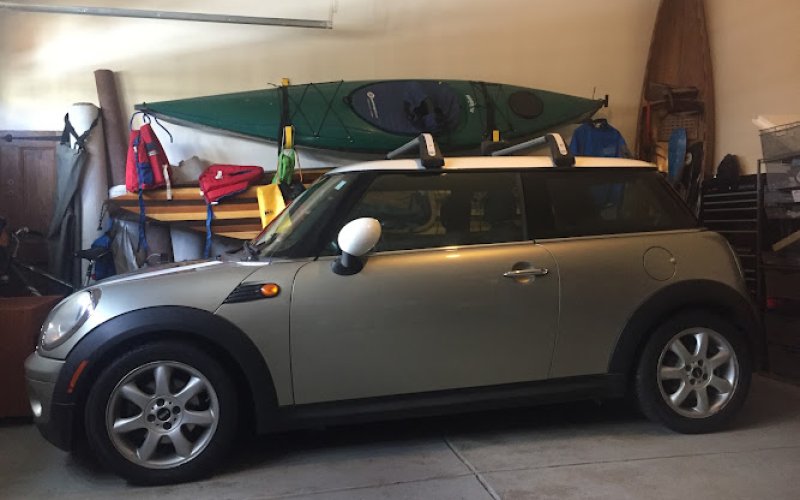
King Auto
Used car dealer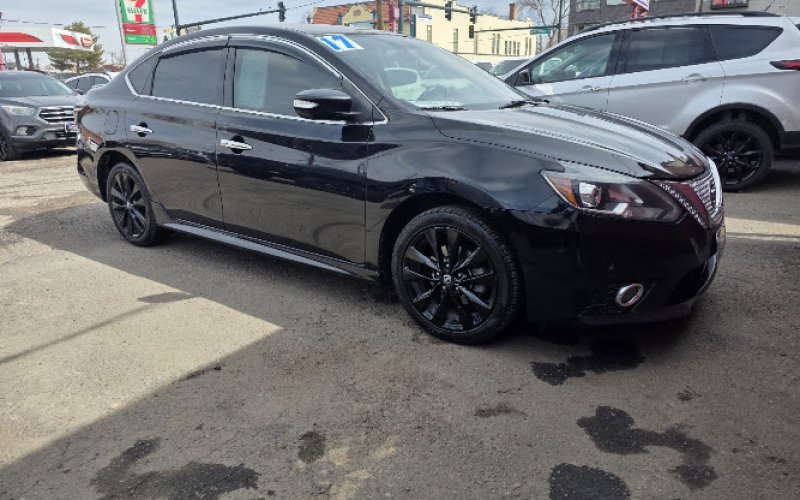
Nations Auto, Inc
Car dealer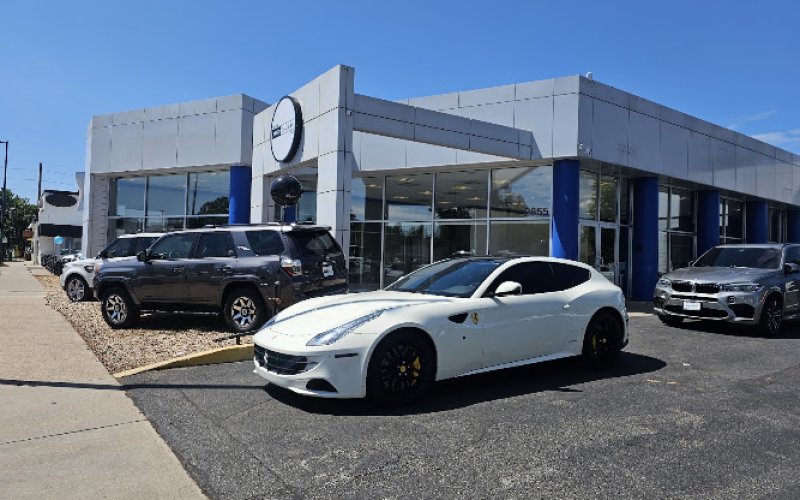
Denver Auto Gallery
Car dealer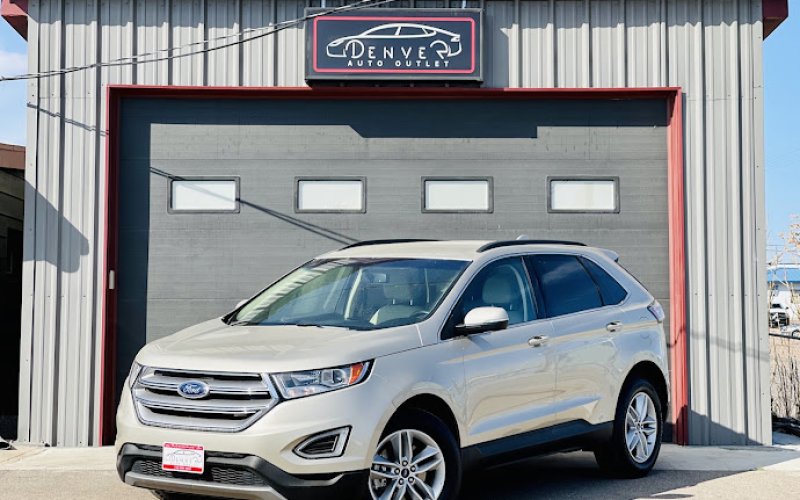
Denver Auto Outlet
Car dealer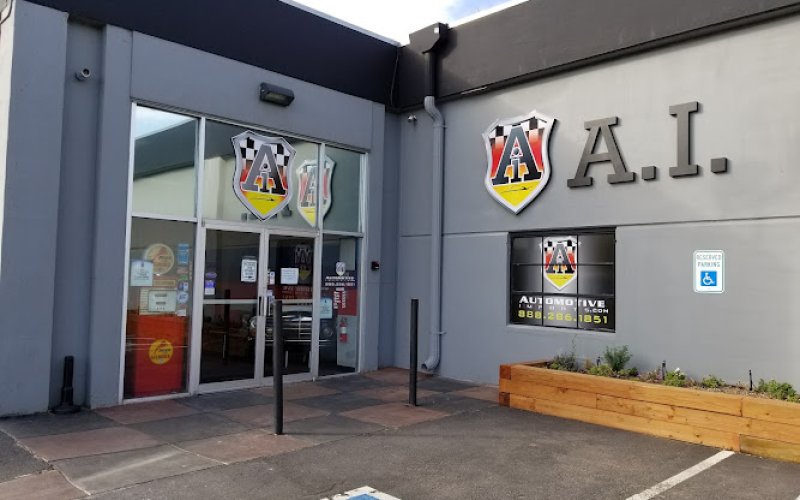
Automotive Imports Sales & Service
Motor vehicle dealer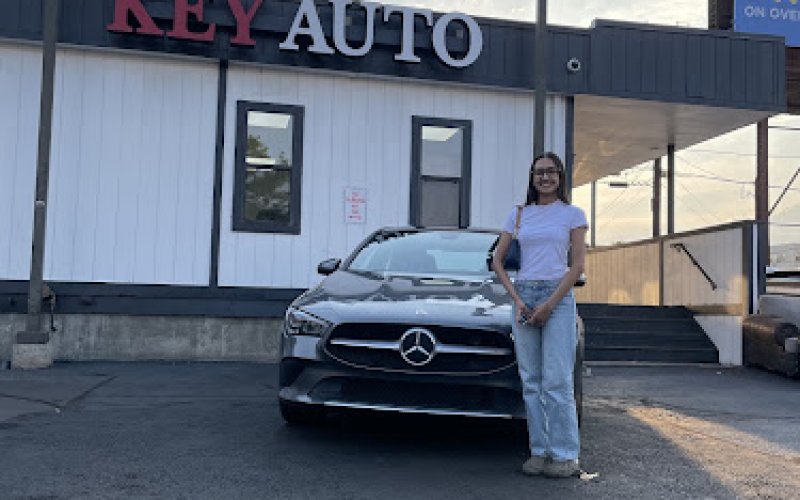
Key Auto Denver
Used car dealer
United Automotive LLC
Used car dealer🏆 Are you a dealer in Denver? — Get featured at the top of this page for $249/year
Get featured →Research Tools for Denver Car Buyers
Dealers advertise the base price — but you pay the out-the-door price. Calculate your real cost before stepping into the dealership in Denver.
* CO state sales tax rate is 2.90%, applied here to the advertised price only. Local taxes, trade-in credit rules and doc fee rules vary — check with the dealer. Registration/title is an estimate; actual fees vary by county. This calculator is for budgeting purposes only.
Select the type of vehicle you're considering. We'll give you the critical questions to ask before you drive to the dealership.
Is the advertised price the full price, or does it include mandatory dealer add-ons like window tint or nitrogen in tires?Dealers sometimes add $500–$2,000 in add-ons. Ask for the full itemized out-the-door price before visiting.
Is this exact vehicle physically on your lot at your Denver location right now?Some dealers list cars from other locations or in-transit. Confirm it's there before you drive.
What is your current doc fee, and is it negotiable?CO has no cap on doc fees — the average is $150–$250, but some dealers charge $500+.
Does the MSRP include any Market Adjustment or ADM (Additional Dealer Markup)?Hot models often get markups above MSRP. Get the answer in writing.
What factory incentives or rebates are currently available for this model?Manufacturer incentives can save thousands — and a dealer may not volunteer this info.
What is your return/exchange policy after purchase?Not all dealers offer one. A 3–7 day return window is a trust signal.
Can I take the car for an extended test drive or an overnight evaluation?This is a standard ask at reputable dealerships and helps you spot issues.
Can you provide a free Carfax or AutoCheck report for this vehicle's VIN?A reputable dealer will share this without hesitation. Accidents, odometer rollbacks, and salvage titles appear here.
What is the full service history — was maintenance done at a dealership or independently?Dealer-serviced records are easier to verify. Ask for copies.
Can I arrange a pre-purchase inspection (PPI) by an independent mechanic?This is your strongest protection on a used car. Any dealer who refuses is a red flag.
Is there any rust, frame damage, or flood damage history on this vehicle?Flood-damaged cars can turn up in any market, especially after major storms. Ask directly and verify with a VIN report.
What is the 'as-is' status? Is any warranty included, and for how long?Understand exactly what's covered — some used cars come with 30-day powertrain coverage.
Why is this vehicle being sold? Was it a trade-in, lease return, or auction purchase?Origin affects reliability expectations and price negotiation leverage.
What is your best out-the-door price, including all fees and taxes?Ask for a written OTD breakdown before any paperwork begins.
Which manufacturer's CPO program covers this vehicle — the factory program or a dealer's own?Factory CPO (e.g., Toyota Certified, Honda Certified) offers standardized coverage. Dealer-only CPO programs vary widely.
Exactly what does the CPO warranty cover, and what is excluded?Ask for the written warranty document. Common exclusions: wear items, tires, glass, infotainment.
How many inspection points does your CPO checklist include, and can I see the completed report?A genuine CPO inspection is 100–150+ points. Ask to see the signed document.
Is there a deductible per claim, and does the warranty transfer if I resell?Deductibles of $0–$200 are common. Transferability adds resale value.
Is the vehicle still within its original factory bumper-to-bumper warranty period?CPO bumper-to-bumper may be separate from the original factory period — clarify both timelines.
Does the CPO price include roadside assistance, and for how long?Most manufacturer CPO programs include 24/7 roadside. Confirm the term.
What is the out-the-door price including the CPO certification fee?Some dealers charge a 'CPO fee' separately. This should be disclosed upfront.
These charges can add $1,000–$4,000+ to the price you see advertised. Know them before you sit down with a finance manager in Denver.
Doc Fee (Documentation Fee)
Charged for processing paperwork. In CO, there is no state cap on doc fees — dealers may charge any amount.
Typical: $150 – $500+Dealer Add-ons (Installed Options)
Window tint, paint sealant, fabric protection, nitrogen tires. Often pre-installed and non-negotiable — but you can try to have them removed from the price.
Common: $300 – $2,000Finance & Insurance (F&I) Add-ons
Extended warranties, GAP insurance, tire-and-wheel protection. Presented in the finance office after you've agreed on price. Each item is optional and separately negotiable.
Common: $500 – $3,000+Market Adjustment / ADM
A markup added above MSRP on high-demand vehicles. Completely legal, 100% negotiable. If you see it — negotiate or walk.
Varies: $500 – $10,000+Sales Tax
CO state sales tax on vehicle purchases is 2.90%. This rate is set by the state — it's not negotiable. Local taxes and trade-in credit treatment vary, so confirm with the dealer.
State rate: 2.90%Registration & Title Fees
State and county fees for transferring title and registering the vehicle. Legitimate and required — but the amount is set by the state, not the dealer.
Typical: $100 – $200About Auto Dealer in Denver
Here's something that'll surprise you: Denver's auto dealer market added 47 new franchises in 2024 alone—that's a 12% jump from 2023. We're not just talking mom-and-pop used car lots either. Major brands like Genesis, Polestar, and Lucid opened flagship locations along the South Broadway corridor, pumping $280 million into local commercial real estate. The math behind this boom? Simple. Denver Metro added 31,000 new residents last year, and these folks need wheels. With median household income hitting $78,400 (up 8% from 2023), there's serious buying power here. Plus, Colorado's EV tax incentives—up to $5,000 for new electric vehicles—created a feeding frenzy for dealers specializing in Tesla alternatives and hybrid inventory. But here's what the chamber of commerce won't tell you: dealer consolidation is happening fast. Three major dealer groups now control 60% of Denver's new car market, squeezing out smaller operations. The survivors? They're doubling down on service departments and certified pre-owned programs. Average gross profit per vehicle dropped to $1,847 last quarter—lowest I've seen since covering this beat—but service revenue per customer jumped 23%. Smart dealers are pivoting hard into maintenance contracts and extended warranties.
South Broadway Auto Mile
- Area Profile: 2.3-mile stretch from Alameda to Evans, dominated by 1970s-era dealership buildings on large lots
- Common Auto Dealer Work: New vehicle sales, certified pre-owned programs, full-service departments with 15-20 bay operations
- Price Range: $28K-$65K average transaction prices, $180-$240 per service visit
- Local Note: RTD light rail access brings customers from across metro; parking regulations limit inventory display to 300 units per lot
Stapleton/Central Park
- Area Profile: Former airport site, newer residential with 18,000+ households, median income $95K+
- Common Auto Dealer Work: Luxury and EV specialist dealerships, mobile service programs, lease return processing
- Price Range: $45K-$90K average sales, premium service rates $200-$350 per visit
- Local Note: HOA restrictions prevent home-based auto sales; residents drive 6.2 miles average to nearest dealer
Federal Boulevard Corridor
- Area Profile: Working-class neighborhoods, high Latino population, mix of residential and commercial from 6th to 120th
- Common Auto Dealer Work: Used car specialists, buy-here-pay-here financing, basic maintenance and repair
- Price Range: $8K-$22K typical vehicle sales, $80-$150 service appointments
- Local Note: Bilingual staff essential; cash transactions still common; city cracking down on curbside sales
📊 **Current Pricing:**
- Entry-level new vehicles: $18K-$28K (subcompacts, base trims with limited inventory)
- Mid-range: $32K-$48K (most popular SUVs and trucks, where dealers make real money)
- Premium: $55K+ (luxury brands seeing 18% growth in metro Denver)
Look, here's what's really happening with dealer margins. New vehicle profits dropped 31% since 2022, but used car gross jumped to $3,200 per unit—highest I've tracked in a decade. Why? Simple supply and demand. Used inventory sits at 47 days supply versus 72 days pre-pandemic. 📈 **Market Trends:** EV sales exploded 89% year-over-year, but that's from a tiny base. They're still only 4.2% of total Denver sales. Meanwhile, truck and SUV demand stays relentless—78% of all new vehicle sales in Q4 2024. Labor shortage hit service departments hard. Average wait time for routine maintenance? 8.7 days, up from 3.2 days in 2023. Some dealers started offering $500 signing bonuses for certified techs. Material costs stabilized after two years of chaos. Steel prices down 12%, semiconductor shortages mostly resolved, but battery costs for EVs still 23% above 2021 levels. 💰 **What People Are Spending:**
- New vehicle purchases: $43,600 average (includes financing, extended warranties, dealer add-ons)
- Used vehicle purchases: $26,400 average (up 19% from last year)
- Service and maintenance: $1,847 per vehicle annually
- Extended warranty products: $2,200 average (dealers push these hard—60% profit margins)
**Economic Indicators:** Denver Metro keeps growing—2.1% annually, adding 55,000 people in 2024. That's 35,000 new households needing transportation. Major employers like Amazon (12,000 local jobs), Lockheed Martin (8,500), and expanding tech companies create steady demand for reliable vehicles. The National Western Center redevelopment ($1.1 billion project) and Denver International Airport expansion brought 8,400 construction jobs—these workers need trucks and work vehicles. **Housing Market:** Median home value hit $587,000 in December 2024—up 6.8% year-over-year. New construction permits reached 14,200 units, highest since 2019. Here's the connection: new homeowners typically buy vehicles within 18 months of purchase. Real estate agents tell me 73% of their buyers also financed vehicles in the same year. Inventory levels dropped to 1.8 months supply (anything under 3 months is considered tight). This pushes people to outer suburbs where they absolutely need cars. No walkable transit options in Thornton, Westminster, or Aurora's newer developments. **How This Affects Auto Dealer:** Simple math. Population growth + suburban sprawl + limited transit = more car sales. But here's the twist: younger buyers (25-34 demographic) increasingly lease instead of buy. Lease penetration hit 32% of new vehicle sales, up from 23% in 2020. Smart dealers adapted with aggressive lease programs and mileage packages for long commutes.
**Weather Data:**
- ☀️ Summer: Highs 84-89°F, intense UV at 5,280 feet elevation, afternoon thunderstorms
- ❄️ Winter: Lows 18-22°F, average 57 inches snow annually, rapid temperature swings
- 🌧️ Annual precipitation: 15.8 inches (high desert climate)
- 💨 Wind/hail: Spring storms with golf ball-sized hail, 60+ mph winds common
Denver's climate creates unique challenges for dealers. That intense high-altitude sun destroys paint and interiors fast—dealers learned to keep inventory in covered lots or expect 8% depreciation just from sun damage. Winter brings different headaches. All-wheel-drive and 4WD vehicles sell 340% better October through March. Dealers stock accordingly. **Impact on Auto Dealer:** March through October = prime sales season. December and January see 40% fewer showroom visits, but service departments stay busy with winter maintenance. Hail season (April-July) creates massive opportunities. Insurance claims generate $180 million in vehicle replacements annually across metro Denver. Battery performance drops 20-25% in subzero temps, making EV sales tough in winter months. Smart dealers offer winter driving courses and battery conditioning services. **Homeowner Tips:** ✓ Schedule maintenance before first snow—service departments book solid by November ✓ Hail damage claims must be filed within 30 days; dealers often handle insurance paperwork ✓ High altitude affects turbo engines—follow dealer maintenance schedules religiously ✓ Paint protection packages actually worth it here—UV damage isn't covered by warranty
**License Verification:** Colorado Motor Vehicle Dealer Board oversees all dealer licenses. Every dealer needs both a Motor Vehicle Dealer License and individual salesperson licenses for staff. Look up any dealer license at colorado.gov/pacific/enforcement/motor-vehicle-dealer-licensing. License numbers should be displayed prominently—usually on a wall plaque near the entrance. **Insurance Requirements:** General liability minimum: $100,000 per occurrence, $300,000 aggregate. Dealer bond required: $25,000 for new car dealers, $10,000 for used only. Garage liability coverage protects customer vehicles during service. Always ask to see current certificates—expired coverage is surprisingly common among smaller lots. ⚠️ **Red Flags in Denver:**
- Curbside dealers on Federal Boulevard claiming "temporary locations"—they're unlicensed
- Pressure to "buy today" with financing not yet approved—legitimate dealers wait for bank confirmation
- No posted prices on vehicles (required by Colorado law since 2019)
- Refusing to provide CarFax or vehicle history—major red flag for hidden damage
**Where to Check Complaints:** Colorado Auto Dealers Association maintains complaint database. Better Business Bureau covers metro Denver. Colorado Attorney General's office handles serious fraud cases—they recovered $2.3 million for consumers in 2024 auto dealer disputes.
✓ Minimum 3 years at current Denver location (not just licensed elsewhere)
✓ Service department with ASE-certified technicians
✓ Customer reviews mentioning your specific neighborhood
✓ Transparent pricing with no "market adjustment" markups
✓ Payment options beyond just financing (lease, cash discount programs)
Cost Calculator
Check Reviews & Ratings
We recommend verifying businesses through trusted review platforms before making a decision.
Frequently Asked Questions
Popular Categories in Denver
Explore Other Cities
🚙 Auto Dealers near Denver
Professional Categories in Denver, CO
Related Services from Similar Professionals